

Thomas graduated from IAE Grenoble with a specialisation in Strategic Purchasing Management. After spending six months in Vietnam and working at EDF as a buyer of professional services, he joined Alstom in 2018 to work on the new REM metro project in Montreal.

Driven by the urgent need to tackle climate change, he dedicated part of his Bachelor’s dissertation to air pollution in Vietnam and adopted a vegetarian diet before joining Removall as a Carbon Portfolio Officer.

Home
Resources
Resources
Blog
Blog

Integrity requirements are intensifying in the voluntary carbon market

Driving a profound transformation that is reshaping the sector

Integrity requirements are intensifying in the voluntary carbon market
Details
Summary
Author

Introduction

The year 2025 continues the trend observed in recent years: the voluntary carbon market is moving toward greater integrity. Whether regarding projects, retirements, investments, or long term contracts, integrity is strengthening across all dimensions. This documented evolution is encouraging for a market whose long term viability depends on buyers’ confidence in the credibility of carbon credits.

The latter is based on two inseparable dimensions:

– Impact integrity: assessing whether projects genuinely reduce or avoid emissions relative to a robust baseline scenario.

– Implementation integrity: ensuring environmental and social safeguards, as well as broader contributions to sustainable development.

This transition, however, brings structural shifts that actors must navigate. In its latest report on the state of integrity of the VCM , MSCI Carbon Markets provides an in depth assessment from which several key insights emerge.

The VCM continues its path toward higher integrity

1. The integrity of new projects entering the market is increasing significantly

MSCI notes a marked improvement in the quality of new projects. Among projects currently under development, 37% are rated between AAA and A, compared with only 10% among projects already available on the market. When including BBB rated projects, the share of high quality new projects rises to 77%, compared with 26% across the existing market.

MSCI attributes this increase in integrity to several factors. First, there has been a shift in the distribution of new projects, with a rise in higher-quality project types, such as nature-based solutions (NBS). In addition, MSCI notes changes in project design that improve their quality, such as new reforestation projects (ARR), where more than half now include native species in their development, thereby improving the climate resilience of the projects. New clean cookstove projects are also seeing a marked improvement in their integrity due to greater methodological rigor. New projects incorporate more conservative values for their fNRB , which can be explained in particular by the arrival of new methodologies such as Verra’s VM0047 and VM0050, which reinforce calculation requirements. In order to ensure the highest standards of integrity, Removall is gradually transitioning its cookstove projects to the latest methodologies, including VM0050.

The article also highlights the major contribution to market integrity made by structural initiatives such as the Core Carbon Principles (CCPs) of the Integrity Council for the Voluntary Carbon Market (ICVCM) and the Carbon Offsetting and Reduction Scheme for International Aviation (CORSIA).

The ICVCM, an independent initiative bringing together more than 250 organizations, aims to strengthen market integrity by evaluating the standards and robustness of the methodologies used by these standards. To date, several methodologies proposed by recognized standards such as Verra and Gold Standard, particularly in the renewable energy sector, have been deemed non-compliant with CCP requirements. The CCPs are based on ten criteria covering governance, sustainable development, and the quality of emissions reductions. Among these, additionality plays a central role in the assessment.

For its part, CORSIA, the carbon offset mechanism led by the International Civil Aviation Organization (ICAO), will require airlines to purchase carbon credits to offset emissions growth above 85% of their 2019 levels starting in January 2028. By excluding renewable energy projects larger than 15 MW and certain improved cookstove methodologies, CORSIA also contributes to raising the quality requirements for projects wishing to be eligible. The effect of these two frameworks is already visible in the market: available and compliant projects are of significantly higher average quality than the market as a whole. MSCI also points out that no CCP-aligned project assessed to date has received the lowest rating, CCC.

2. Withdrawals and offtakes on the market are increasingly directed towards high-quality projects

In line with Removall’s observations among its clients’ requests, the report emphasizes that buyers are increasingly turning to high-quality credits. Withdrawal trends observed in the first half of 2025 show a consolidation in the share of credits from projects rated BBB or higher. This has stabilized at around 30%, which is higher than the average for the previous four years and the low of 18% recorded in 2020. Conversely, the proportion of withdrawals associated with a CCC rating was only 11%, its lowest level since 2019 and less than half of what was observed in 2022.

This increase in quality is also evident in offtakes, which benefit directly from the growing integrity of projects under development, as mentioned in the previous section. Together, these trends are an encouraging sign for future demand: they show that a growing number of players believe it is possible to lend credibility to their carbon contribution efforts by favoring credits from high-quality projects.

The rise in integrity is transforming the VCM: supply tensions rising prices, and new risks to anticipate

This dual increase in integrity, which is evident in both projects and procurement, is causing tensions that are reshaping the market in several ways.

1. The current level of supply of high-quality credits on the market raises questions about its ability to meet future demand, highlighting the importance of securing purchases through multi-year agreements from the project design phase onwards.

In the first half of 2025, long-term purchase agreements (offtake agreements) multiplied. Usually reserved for technological solutions, the number of off-takes for nature-based projects has more than doubled over the last twelve months, rising from 22 to 56. This trend highlights the challenge of securing access to high-quality credits. The scenario of an undersized supply is made more plausible with the publication of the latest draft of the SBTi’s Corporate Net Zero Standard, which is expected to require large companies subscribing to the initiative to finance emissions sequestration activities from 2035 onwards. With several offtakes already secured on behalf of its clients, Removall has solid expertise in this field, enabling it to provide the best possible support to companies wishing to commit to such an approach.

2. The prices of credits from high-quality projects are on the rise

This is the main consequence of the market’s increased integrity: high-quality credits are selling at increasingly high prices. Spot prices for projects rated BBB or higher are now above $7 on average across all categories, compared with $5 a year ago (November 2024). By comparison, spot prices for projects rated below BBB have never been lower, at less than $2 across all categories. This rise in prices can be explained primarily by the increase in developers’ costs, due to more demanding updated methodologies. The rise of market initiatives, such as the ICVCM’s CCPs, CORSIA, and the expected arrival of credits from Article 6 of the Paris Agreement, all aimed at strengthening the quality of compatible projects, is also contributing to the trend. Finally, the rise in prices is accentuated by the growing desire of companies to secure their future supplies. This strategy reduces the volume of credits available on the market, putting additional pressure on current prices and potentially leading to temporary shortages for certain types of credits. However, MSCI’s analysis suggests that prices are likely to continue to rise in the coming years.

As the report explains, market prices are currently being driven down by the large number of credits issued under older methodologies. When the vintages of these credits become too old to be used under carbon contribution standards such as ISO14068 or SBTi, the market is likely to see a rise in prices, benefiting projects that use the most recent methodologies. Aware of this situation, Removall draws on its database, built up over many years, to enable its clients to secure their future contributions now at the best market prices.

3. With the increase in the share of offtakes in companies’ carbon credit portfolios, their risk of delivery default is increasing, particularly for technological solutions.

As some technologies are still in the early stages of deployment (TRL 3-6+) , such as Direct Air Carbon Capture and Sequestration (DACCS), delays in project implementation may occur. The risk is also present for NBS projects whose development is directly affected by the effects of climate change. To mitigate the delivery risk, Removall relies on its quality procedures to select its suppliers and invest in its own projects. The work carried out by Removall’s teams includes reputational analyses of partner developers, risk analyses for projects, financing feasibility studies for projects in which it invests, and the use of insurance to cover the risk of delivery to the customer.

Key lessons

The VCM has reinforced its shift towards integrity with initiatives such as the ICVCM and CORSIA CCPs leading the way.

Projects under development/coming to market are demonstrating increasing integrity, which is reflected in higher MSCI ratings.

The growing integrity of the carbon market represents an opportunity for companies that, by mastering market best practices, can now build credible carbon contributions with greater peace of mind.

Integrity is driving market changes that are encouraging companies to position themselves now to secure their supply of high-quality credits at competitive prices.

Removall, as an integrated company that is both an investor, developer, certifier, and intermediary, is in an excellent position to assist and draw conclusions from developments in the VCM. It is committed to putting its ICROA-recognized expertise at the service of those who wish to engage in a serious carbon contribution approach.

Source : https://www.msci.com/research-and-insights/paper/2025-state-of-integrity-in-the-global-carbon-credit-market

Sources

(1) 2025 State of Integrity in the Global Carbon Credit Market MSCI Carbon Markets, MSCI

(2) More information on MSCI rating methodology in appendix.

(3) fNRB refers to the fraction of non-renewable biomass used in the project. For cookstove projects, it is linked to the wood used as fuel to operate clean cooking stoves. fNRB is a key parameter for quantifying the number of carbon credits allowed by the project: the higher it is, the more emissions reductions the project generates.

(4) The vintage of a carbon credit corresponds to the year in which the emissions gains were achieved. Example: A credit with a vintage of 2021 means that the emissions reduction/sequestration occurred in 2021.

(5) The Technology Readiness Levels (TRL) framework, developed by NASA in the late 1970s, assesses technological maturity. TRL levels 3 to 6 correspond to an early stage, ranging from proof of concept to initial demonstrations in a relevant environment. It is now used as a standard reference by several institutions, including the EU.

‍

DISCOVER OUR OTHER ARTICLES

SBTi Corporate Net-Zero Standard Version 2.0
Regulation & Standards
Carbon Market Insights

SBTi Corporate Net-Zero Standard Version 2.0

What really changes for corporate carbon strategies

00
min

The Science Based Targets initiative has released its Corporate Net-Zero Standard Version 2.0, marking a clear evolution in how corporate climate action is structured and assessed.

While the foundation remains unchanged, deep emissions reductions across Scopes 1, 2 and 3 remain the priority, the new standard introduces important refinements in how companies are expected to implement, report and take responsibility for their emissions.

More importantly, it provides a clearer signal on the future role of carbon credits and removals in corporate net-zero strategies.

A shift from ambition-setting to implementation accountability

One of the most significant changes is the increased focus on implementation.

Companies are now expected to explicitly connect their science-based targets to real operational decisions, including transition planning, procurement strategies and investment cycles.

The standard introduces a “best-efforts” principle, requiring companies to use all reasonable levers within their control, disclose constraints and dependencies, and explain how barriers are being addressed.

Clearer structure across Scopes 1, 2 and 3

The updated framework requires a more structured approach:

  • Scope 1 and Scope 2 must now be addressed separately, with full coverage required
  • Scope 1 reductions may follow multiple pathways (absolute, intensity-based or transition-based)
  • Scope 2 requirements are strengthened, particularly around low-carbon electricity sourcing

Scope 3 is maintained as the most flexible but critical component, with companies required to prioritise material emissions sources and integrate them into targets or transition plans.

Carbon credits remain excluded from target achievement

Carbon credits cannot be used to:

  • reduce reported emissions
  • demonstrate progress toward targets
  • substitute operational decarbonisation

Even where companies miss targets, SBTi only recommends voluntary purchase of removals as an additional action, without allowing them to count toward target achievement.

Ongoing Emissions Responsibility (OER)

The new OER framework introduces voluntary recognition for companies contributing to climate action beyond their own value chain emissions.

Three levels exist:

  • Engaged (≥1%)
  • Advanced (≥10% incl. Scope 1 & 2)
  • Leadership (full Scope 1–3 coverage with financial contribution requirement)

Companies may use either verified mitigation outcomes or a financial contribution mechanism.

Post-2035 removal trajectory

From 2035 onwards, companies are expected to support removals equal to:

  • at least 1% of ongoing emissions
  • increasing linearly to 100% by net zero (2050 latest)

A key distinction is introduced:

  • long-lived greenhouse gases → long-lived removals
  • other emissions → short- or long-lived removals

This creates a structural shift toward durability-based carbon accounting

10% long-lived removals requirement

From 2035, at least 10% of covered emissions linked to long-lived greenhouse gases must be addressed with long-lived removals.

This share increases progressively to 100% by the net-zero year.

This reinforces a clear market signal toward durable carbon storage solutions.

No reliance on a single credit quality standard

The framework does not anchor eligibility to specific labels such as CCP.

Instead, it relies on principle-based integrity criteria:
additionality, permanence, leakage control, MRV robustness, and safeguards.

Corresponding adjustments and Article 6

SBTi recommends that companies prioritise credits not simultaneously claimed under national NDCs.

Where possible, companies are encouraged to use credits backed by corresponding adjustments under Article 6, improving the integrity of net-zero claims and reducing double counting risk.

What this means for corporate carbon strategies

Three structural shifts stand out:

  • From target-setting to implementation accountability
  • From offsetting logic to strict separation of roles
  • From generic credits to durability-based carbon removal strategies

Conclusion

SBTi V2.0 does not fundamentally change the direction of corporate climate ambition. It clarifies how it must be implemented.

Net zero is no longer only a target framework. It is becoming an operational responsibility framework, combining emissions reduction with structured climate contribution.

Sources

  • Science Based Targets initiative (2026), Corporate Net-Zero Standard Version 2.0
  • Science Based Targets initiative (2026), Introducing the SBTi Corporate Net-Zero Standard Version 2.0
  • Science Based Targets initiative (2026), SBTi Corporate Net-Zero Standard V2.0 – Guidance and supporting documents
  • Science Based Targets initiative (2026), Net-Zero Standard implementation materials and FAQs
  • United Nations Framework Convention on Climate Change (UNFCCC), Article 6 of the Paris Agreement – Corresponding Adjustments Guidance
To all the sustainability leaders in logistics
Carbon Market Insights
Corporate Climate Action

To all the sustainability leaders in logistics

As a key player in the logistics sector, your company is undoubtedly aware of the growing emphasis on sustainability and the critical role that carbon offsetting plays in meeting environmental targets. Carbon offsetting is particularly important for companies within the logistics industry. Let’s go deep into some fundamental insights:

Addressing High Carbon Footprints in a Carbon-Intensive Sector

The logistics sector, encompassing road, maritime, and air transport, is a significant contributor to global greenhouse gas (GHG) emissions, accounting for approximately 23% of global CO₂ emissions from energy use. With increasing demand for freight and passenger transport, the sector faces mounting pressure to reduce its carbon footprint. While the priority in a robust climate strategy is always the reductions of your own GHG emissions, carbon offsetting provides an additional practical approach for mitigating the impact of your unavoidable emissions, by supporting or investing in projects that either remove carbon from the atmosphere or prevent equivalent emissions elsewhere. This includes reforestation, renewable energy projects, and other initiatives that align with the goals of reducing net emissions.

Aligning with Regulatory Requirements and Sustainability Goals

As regulatory frameworks around carbon emissions tighten globally, particularly in regions like the EU with its Emissions Trading System (ETS), logistics companies must adopt robust strategies to manage their emissions. In addition to ambitious emissions reduction action plans, carbon offsetting offers a flexible and cost-effective way to meet compliance requirements and support broader sustainability goals, such as those outlined in the UN Sustainable Development Goals (SDGs). Offsetting complements other decarbonization efforts, such as enhancing operational efficiency and transitioning to low-emission technologies.

Meeting Stakeholders’ Expectations and Enhancing Corporate Reputation

With rising expectations from consumers and investors, companies are under pressure to show tangible environmental commitments. For logistics companies, often seen as major emitters, carbon offsetting demonstrates accountability and helps foster trust. Beyond compliance, it allows companies to show leadership by aligning with sustainable business practices that resonate with customers and stakeholders.

Mitigating Risks and Preparing for a Low-Carbon Future

Offsetting emissions helps logistics companies navigate the evolving regulatory landscape and avoid potential financial penalties associated with carbon pricing mechanisms. It also allows businesses to take proactive steps toward future compliance with stricter regulations, positioning them as leaders in sustainability within their industry. This forward-thinking approach helps companies not only manage current risks but also capitalize on emerging opportunities in a low-carbon economy.

Why is Removall the right partner for you?

Removall stands out as a comprehensive solution provider in the carbon offsetting space, specifically tailored to meet the unique needs of logistics companies. As a project developer with hands-on experience, we bring deep, on-the-ground knowledge to every project, ensuring that our verified offset offerings—ranging from nature-based solutions to advanced carbon capture technologies—not only compensate emissions but also contribute to broader environmental and social goals.

Our rigorous project selection is supported by market-leading due diligence processes, guaranteeing high standards and long-term impact. As a mission-driven company, we view carbon offsetting as a tool for impact investing. Beyond carbon reduction, our projects provide tangible social and environmental co-benefits, measured and monitored over time. These outcomes are documented in our impact report, reflecting our commitment to transparent, lasting contributions aligned with the SDGs.

Partnering with Removall means integrating offsetting seamlessly into broader sustainability strategies, aligning with regulatory requirements and positioning for future carbon regulations. With strong sectoral expertise, particularly in transport and logistics, we support our clients with both short-term contracts and long-term partnerships, securing high-quality project supply and price stability. Together, we go beyond meeting current obligations, empowering companies to lead in sustainability, enhance their reputation, and achieve a competitive edge in a rapidly evolving market. We are eager to explore how our tailored solutions can help your company not only offset its emissions but also contribute positively to communities and the environment, paving the way for a sustainable future.

00
min
Removall's CSR approach
Corporate Climate Action
Project Insights & Impact

Removall's CSR approach

In France today, less than 50% of SMEs are committed to a CSR approach, and almost 40% are unfamiliar with the concept. Yet it is key to achieving sustainable development objectives that private players commit to improving their impact.

At Removall, we have around 25 employees and have put in place a simple CSR approach that we would like to share, to demonstrate that it is possible to have a positive impact even on a small scale.

As a company committed to the environment and a company with a mission, we were keen to develop a rigorous internal CSR policy in line with the values we uphold in our business.

Here are the key stages:

Structuring our approach

  • We began by setting up our CSR Committee in October 2022, made up of volunteer members from each of Removall’s teams. The committee holds monthly progress reviews and quarterly meetings with management.
  • Since 2023, we have been using the framework suggested by Ecovadis to better structure our approach around the Environment, Ethics, Social and Governance pillars. It is thanks to the feedback from this assessment that we have been able to progressively improve our approach. Today, we are proud to be among the top 6% of companies with the most serious CSR approach.

Involving employees in the process

  • It’s important to raise awareness of our CSR approach within the company, and to involve as many volunteers as possible. Every newcomer to Removall receives a guide to best practices for reducing his or her daily impact at work, and is trained in the workings and actions of the CSR committee. We ensure that all CSR resources are always accessible to employees (charters, policies, reports, etc.).
  • We also organize awareness-raising campaigns (themed displays and training courses) and solidarity actions (clothing drives, solidarity team-buildings in aid of associations) to get employees as involved as possible and share useful knowledge.

Tracking our actions

We attach great importance to measuring not only our impact, but also our progress. That’s why, by collecting data throughout the year, we measure our carbon footprint and waste emissions. These data are then aggregated in our sustainable development report and our Carbon Footprint, which is carried out each year in accordance with the ADEME method. We compare our results with those of the previous year, and define our work objectives for the coming year.

Offsetting our carbon emissions

To perfect our approach, we offset our residual emissions using our expertise in carbon projects to select quality initiatives to support, which we submit to an internal vote to offset our emissions. In this way, we take care to promote projects that have both a strong environmental impact and significant social benefits.

00
min
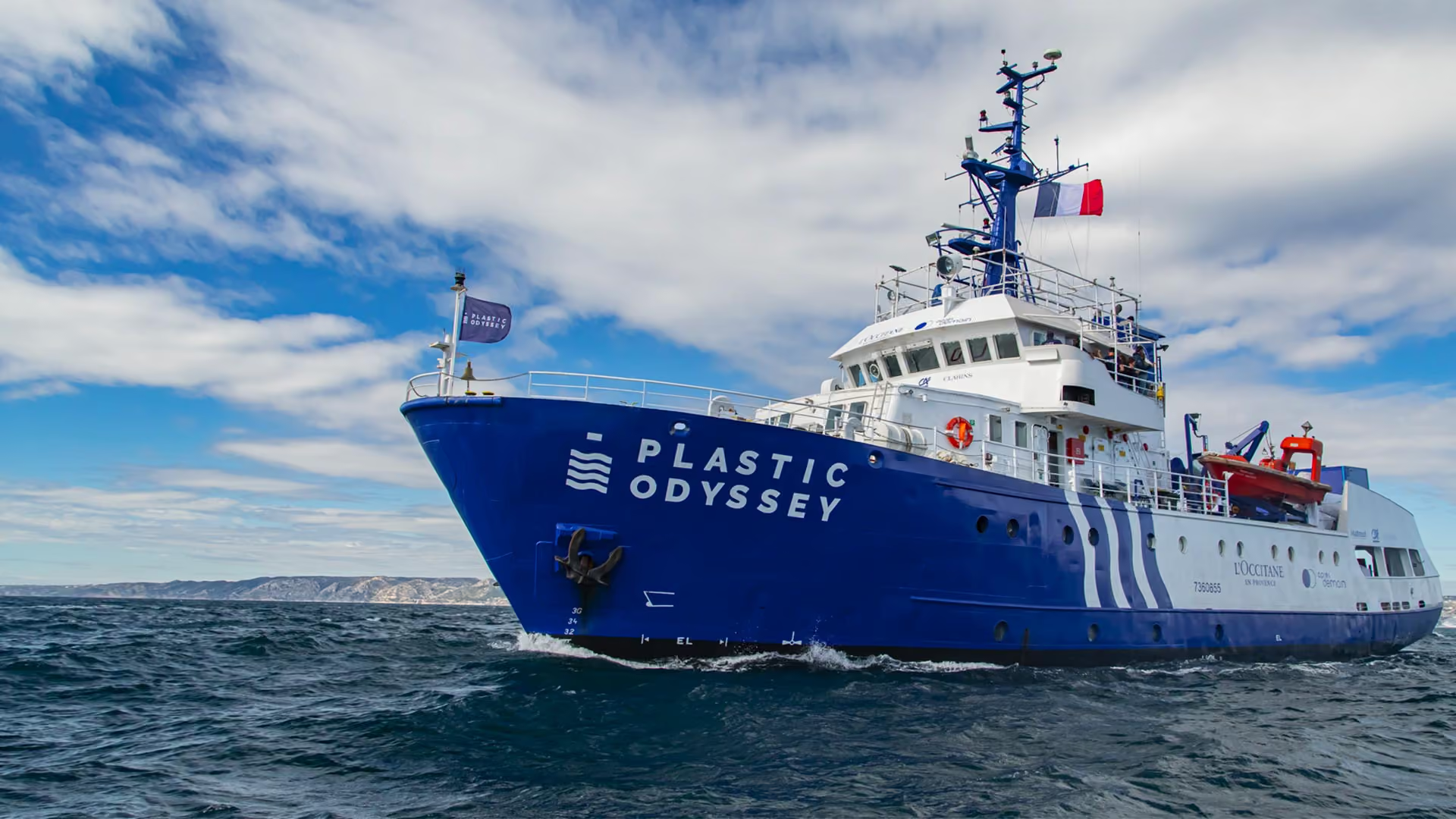
Removall & Plastic Odyssey: Partnering for a Sustainable Expedition
Beyond Carbon

Removall & Plastic Odyssey: Partnering for a Sustainable Expedition

We are thrilled to announce our new partnership with Plastic Odyssey, a pioneering initiative that addresses plastic pollution worldwide. Through this collaboration, we are joining forces to reduce and offset the carbon emissions of their global expeditions.

Plastic Odyssey’s mission is to explore solutions for plastic waste management by traveling worldwide with their laboratory vessel, sharing knowledge, and building local recycling micro-factories. However, such a vast operation comes with a significant carbon footprint, primarily from laboratory vessel fuel consumption and business flight travels. Here’s where Removall steps in!

How does our partnership work?

By using international frameworks like the GHG Protocol and ADEME’s Bilan Carbone methodology, we precisely measure the emissions generated by Plastic Odyssey’s laboratory vessel and flight travels. We then offset these emissions by financing high-impact carbon offset projects, including renewable energy and Blue Carbon initiatives that restore marine ecosystems.

Additionally, we’re helping Plastic Odyssey estimate the carbon savings from their plastic recycling micro-factories, empowering them to create even more environmental impact through data-backed methodologies.

Why this partnership matters?

In today’s world, sustainability requires collective action. Plastic Odyssey and Removall share the same vision: creating a better future for our planet by fighting plastic pollution while actively reducing greenhouse gas emissions. Through this partnership, we aim to combine our strengths and create tangible, lasting impact.

Stay tuned for more updates on how we’re working together for a cleaner, greener future!

00
min