Afforestation in the Republic of Congo
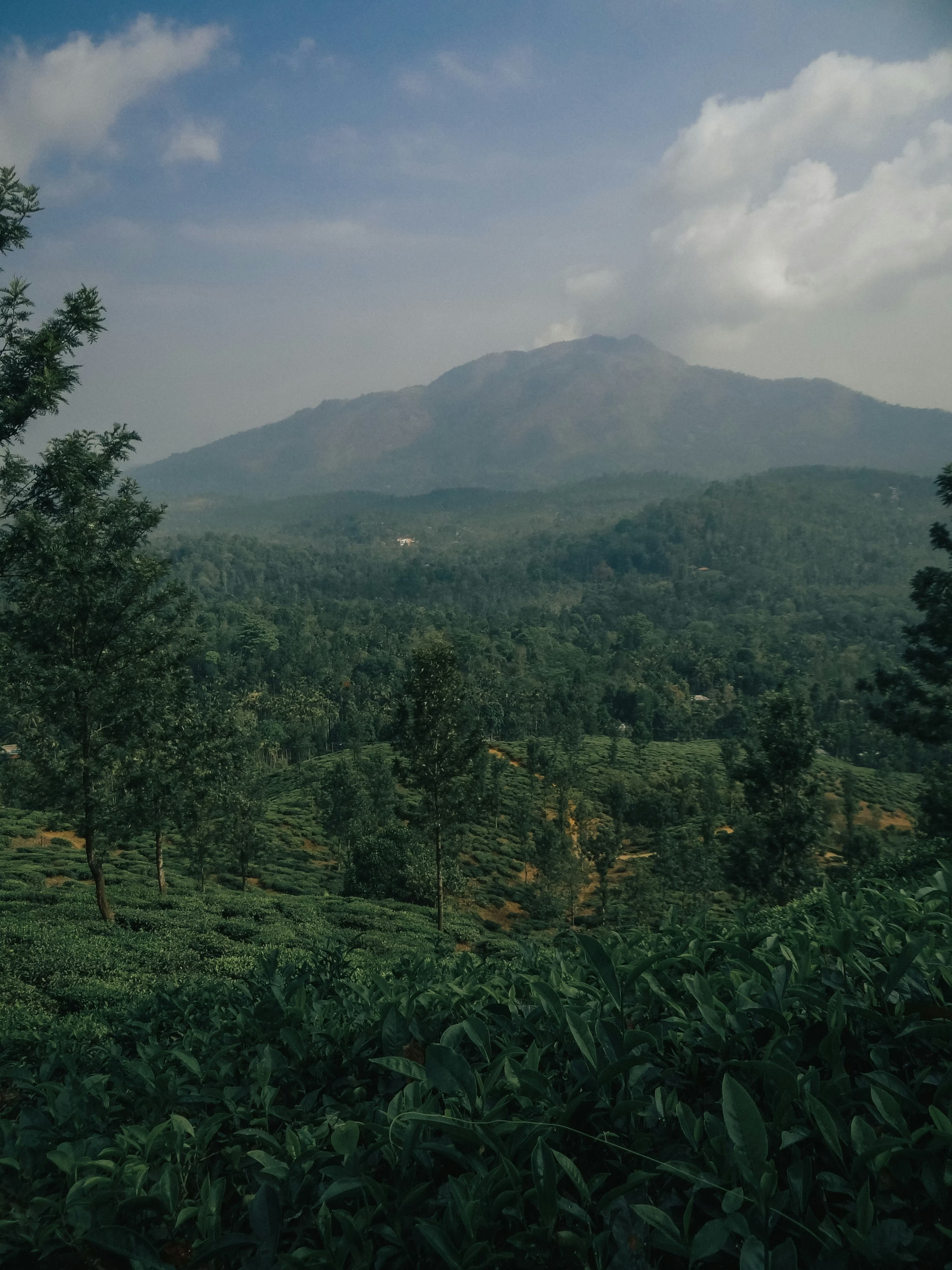
North of Brazzaville, acacia plantations are transforming fire-degraded savannah, combining renewable charcoal production, food crops and long-term carbon sinks. The project is expected to remove around 659,195 tCO2e over its first 33-year crediting period.
Nature-Based Solutions
ARR

Creates employment and income in an area affected by unemployment.

Supports local agricultural production through agroforestry intercropping, particularly cassava.

Contributes to local development and helps reduce rural outmigration.

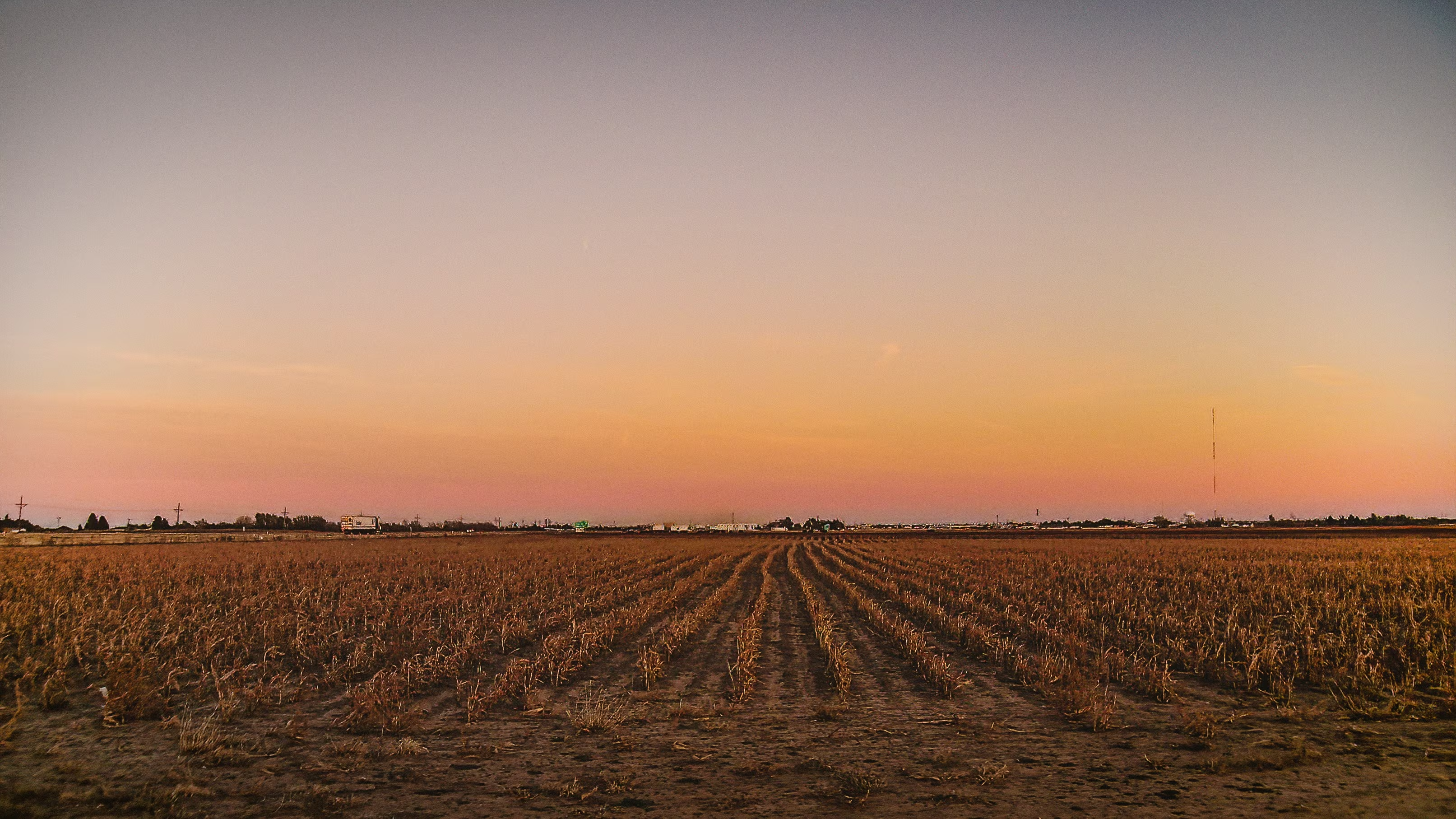
Afforests degraded savannah on the Batéké Plateau with Acacia plantations.

Dedicates half of the area to long-term carbon sequestration.

Provides renewable charcoal, reducing pressure on surrounding natural forests, soil, water regulation and biodiversity.
Located onthe Batéké Plateau north of Brazzaville in the Republic of Congo, the project establishes acacia plantations on degraded savannah affected by recurrent fires. Acacia auriculiformis agroforestry plantations produce renewable charcoal and are intercropped with food crops, while Acacia mangium carbon-sink plantations are maintained for long-term sequestration. The project is expected to remove approximately 659,195 tCO2e during its first 33-year crediting period while reducing pressure on natural forests and supporting local employment and agriculture.