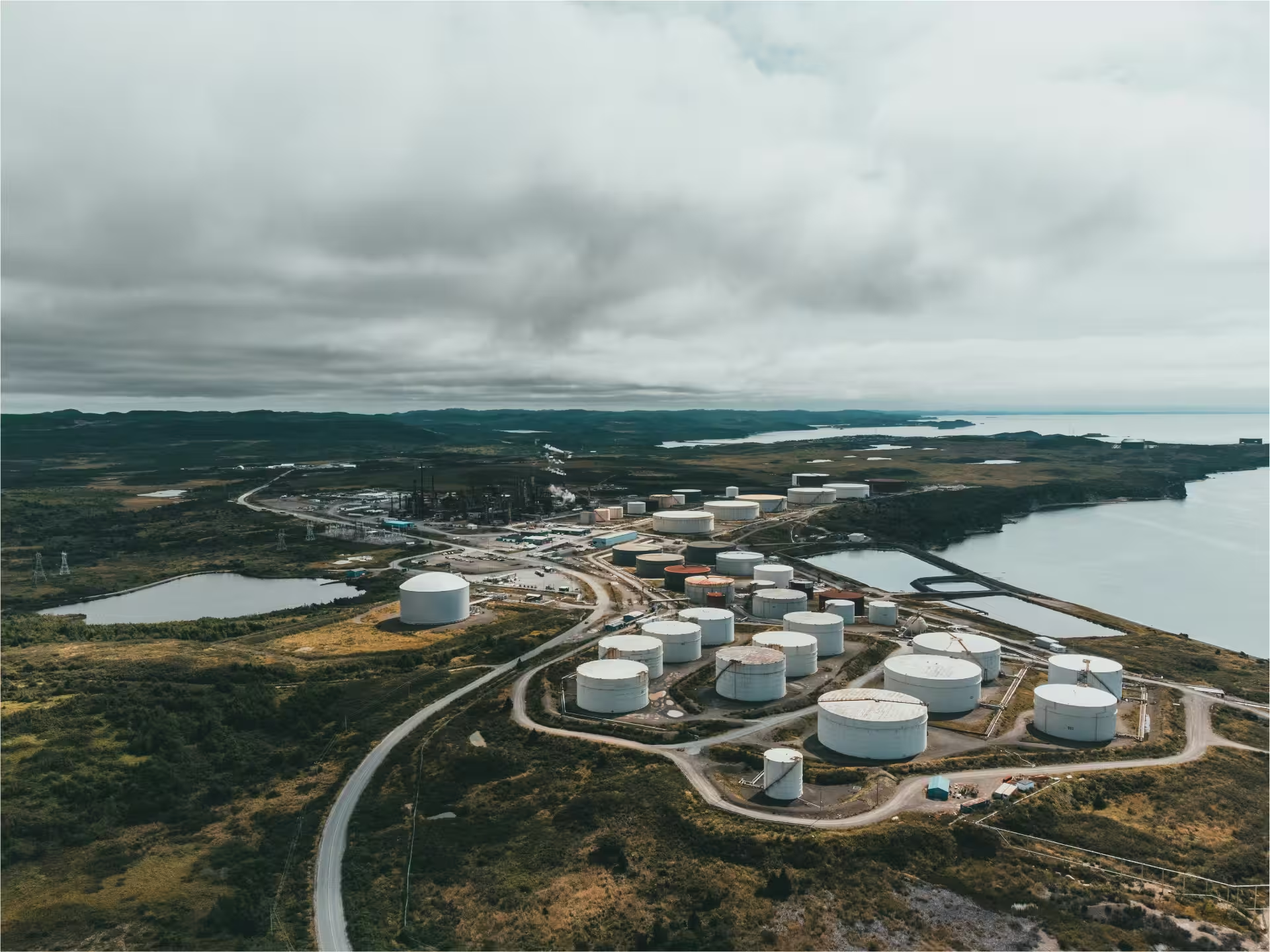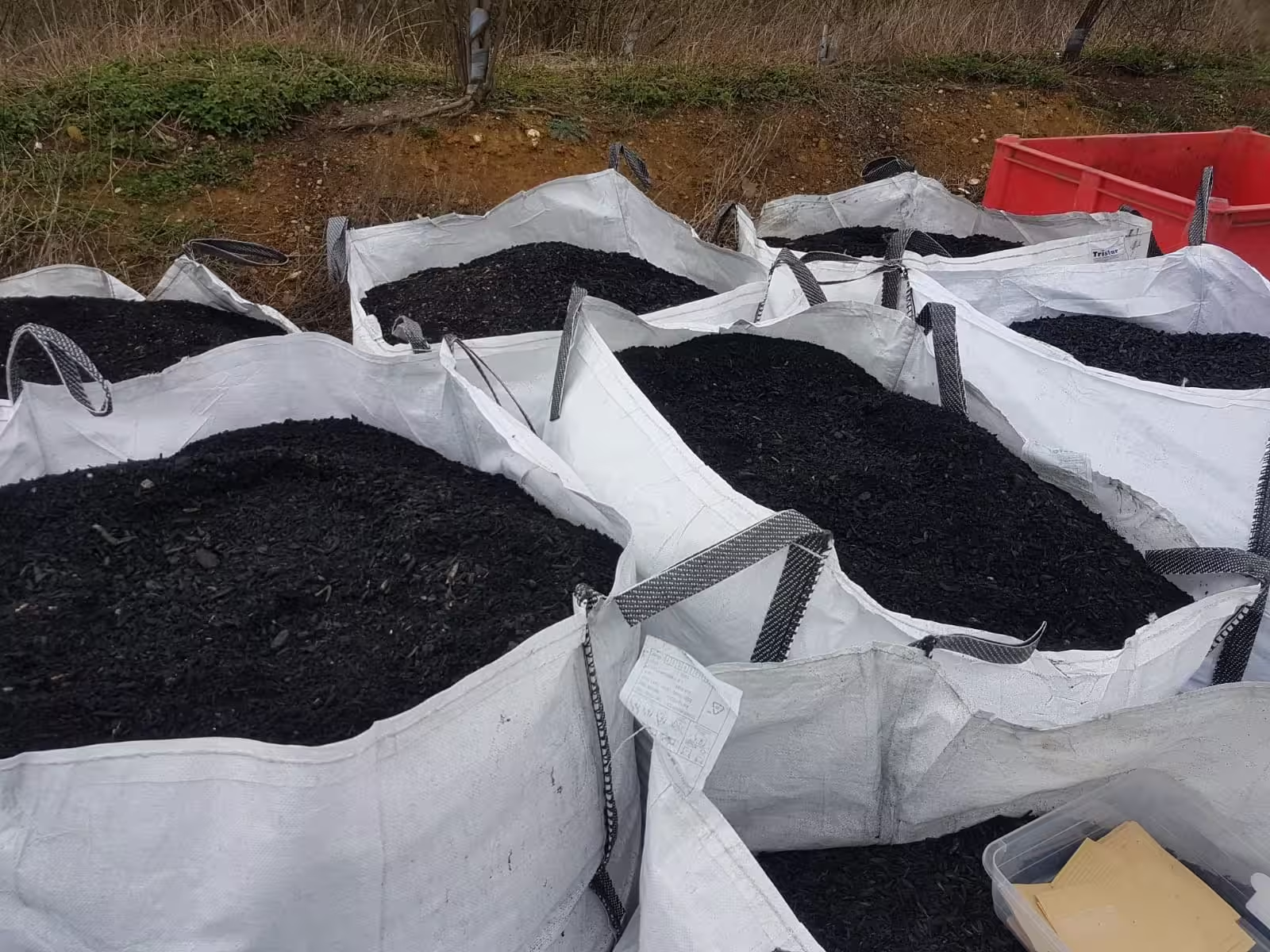
Biochar and district heating in Ulricehamn and Herrljunga, Sweden.
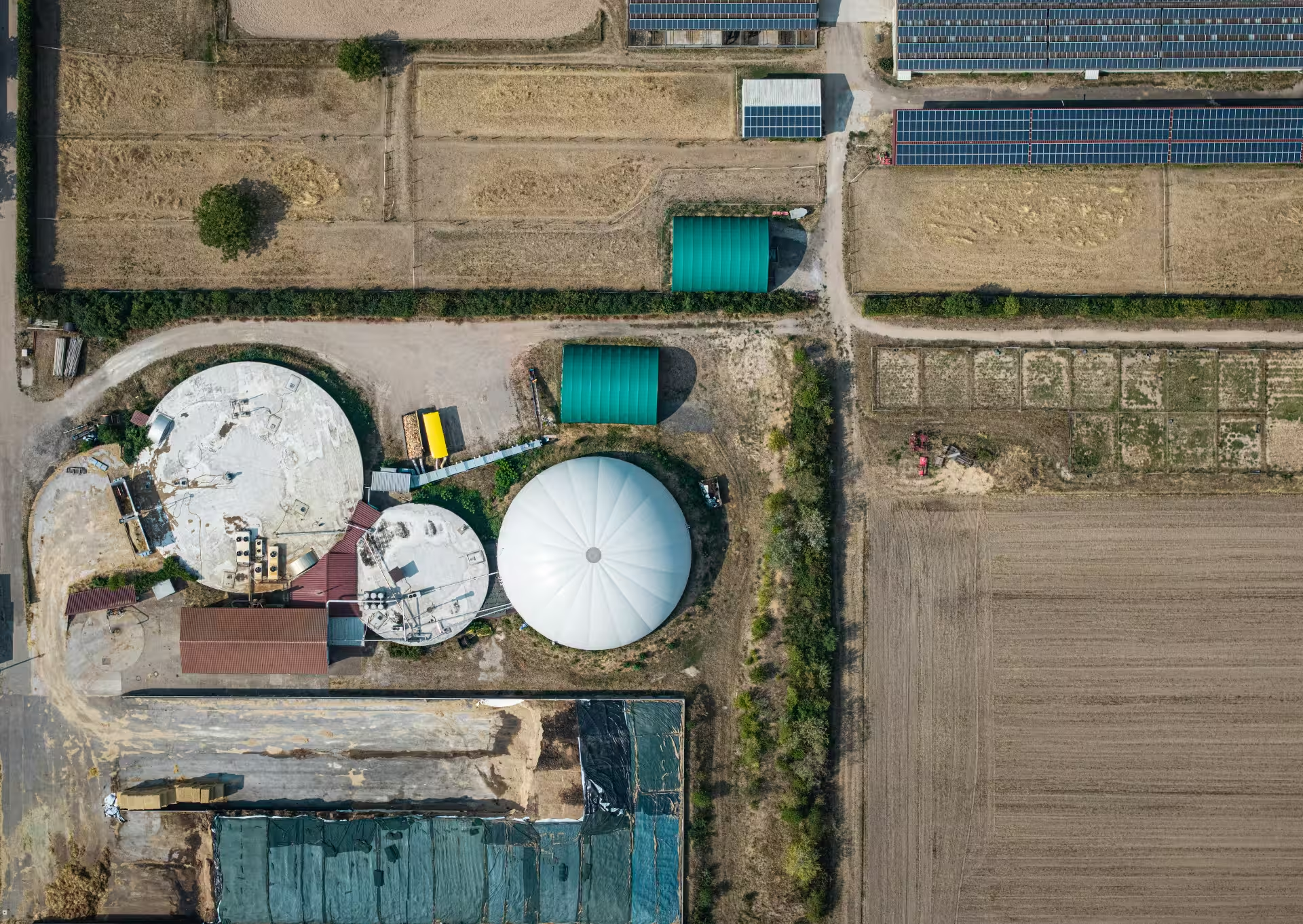
At two facilities, local forestry residues are converted into durable biochar while waste heat supplies local district heating networks. The biochar is used in soil products for urban tree planting, construction and agriculture.
Tech-Based Solutions
REDD+
%2520Speedinvest.jpeg)

Provides low-carbon district heating to local communities using waste heat from biochar production.

Supports the local forestry value chain by sourcing residues locally.

Demonstrates a replicable model for carbon-negative district heating in Sweden and Europe.

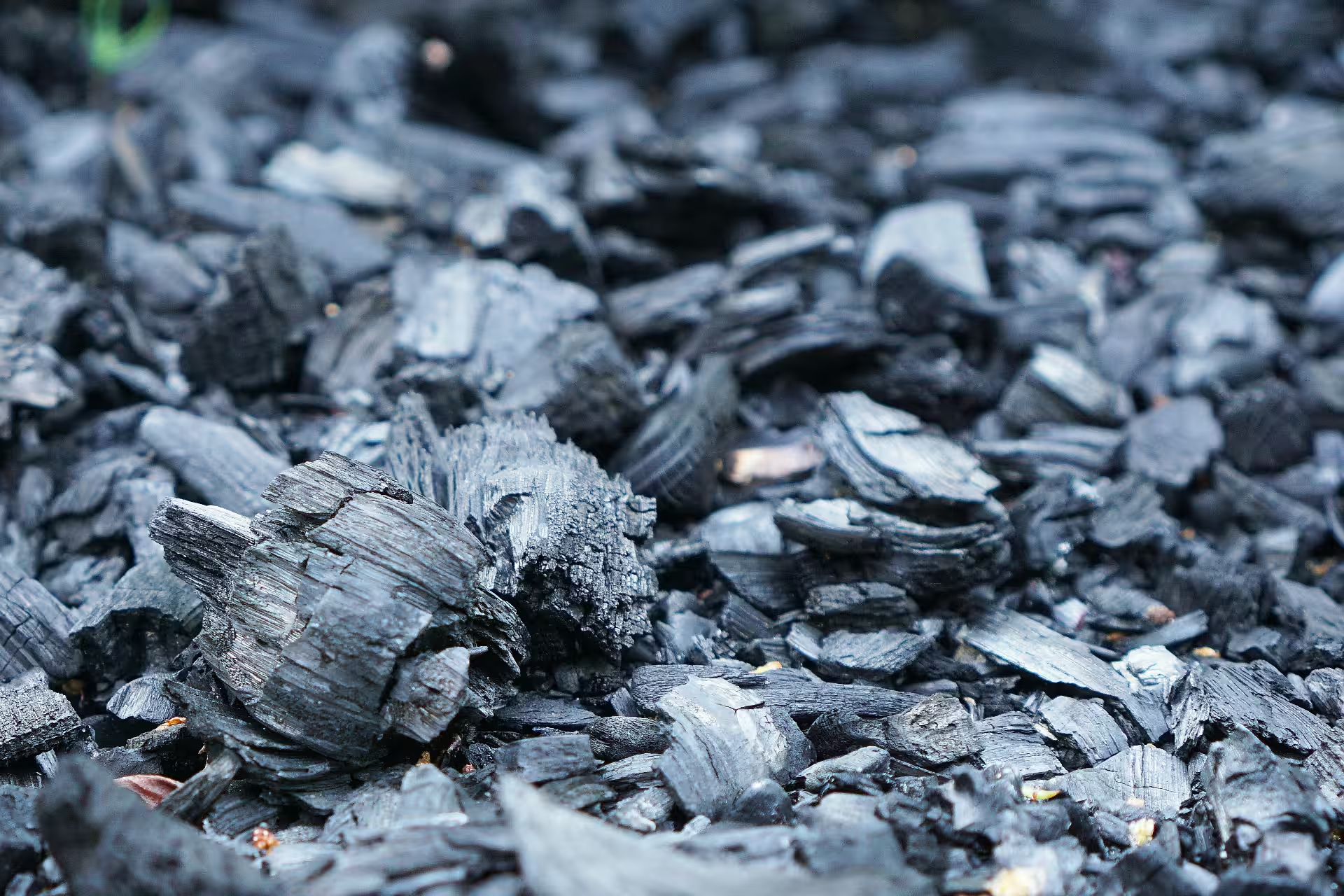
Permanently removes atmospheric CO₂ by turning locally sourced forestry residues into durable biochar.
Reduces reliance on fossil fuels by recovering waste heat for district heating.

Improves soil health by reducing drought sensitivity and dependence on mineral fertilisers.
This project operates two biochar production facilities in Ulricehamn and Herrljunga, Sweden, where locally sourced forestry residues are converted into durable biochar using pyrolysis. It permanently removes atmospheric CO2 by storing biogenic carbon in stable biochar while recovering waste heat to supply local district heating networks.
Downstream, the biochar is incorporated into soil products for urban tree planting, construction and agriculture, improving soil resilience and supporting biodiversity. Carbon credit revenues are essential to support the continued operation and expansion of this carbon-negative district heating model across Sweden and Europe.