Household & Community
Clean Cooking

Provides access to electric cooking for 44,620 beneficiaries.

Reduces exposure to household air pollution.

Lowers the time and money spent purchasing or collecting cooking fuels.

Avoids the use of non-renewable biomass, charcoal and inefficient fossil-fuel cooking.
Reduces combustion emissions and pressure on forests.

Increases the use of efficient electric cooking and renewable electricity.
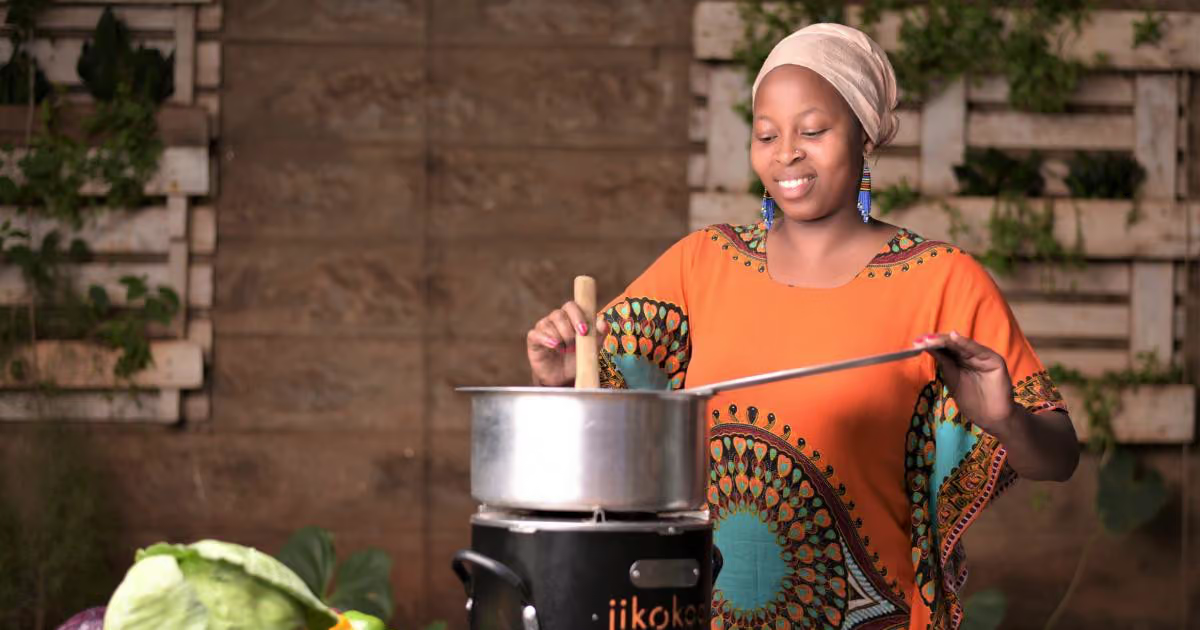
Located inTanzania, the project distributes electric pressure cookers and induction stoves to replace cooking practices that rely on charcoal, non-renewable biomass and inefficient LPG stoves. The appliances improve heat-transfer efficiency and reduce energy consumption and greenhouse gas emissions.
Project devices are recorded in a central database and monitored under the methodology for metered and measured energy cooking devices. The project targets 44,620 beneficiaries and reports benefits linked to clean-energy access, household air quality, fuel and time savings, employment and reduced pressure on forest resources.