Intégrité et qualité
Comment nous évaluons, sélectionnons et suivons les projets carbone pour fournir des crédits sur lesquels les acheteurs peuvent compter.
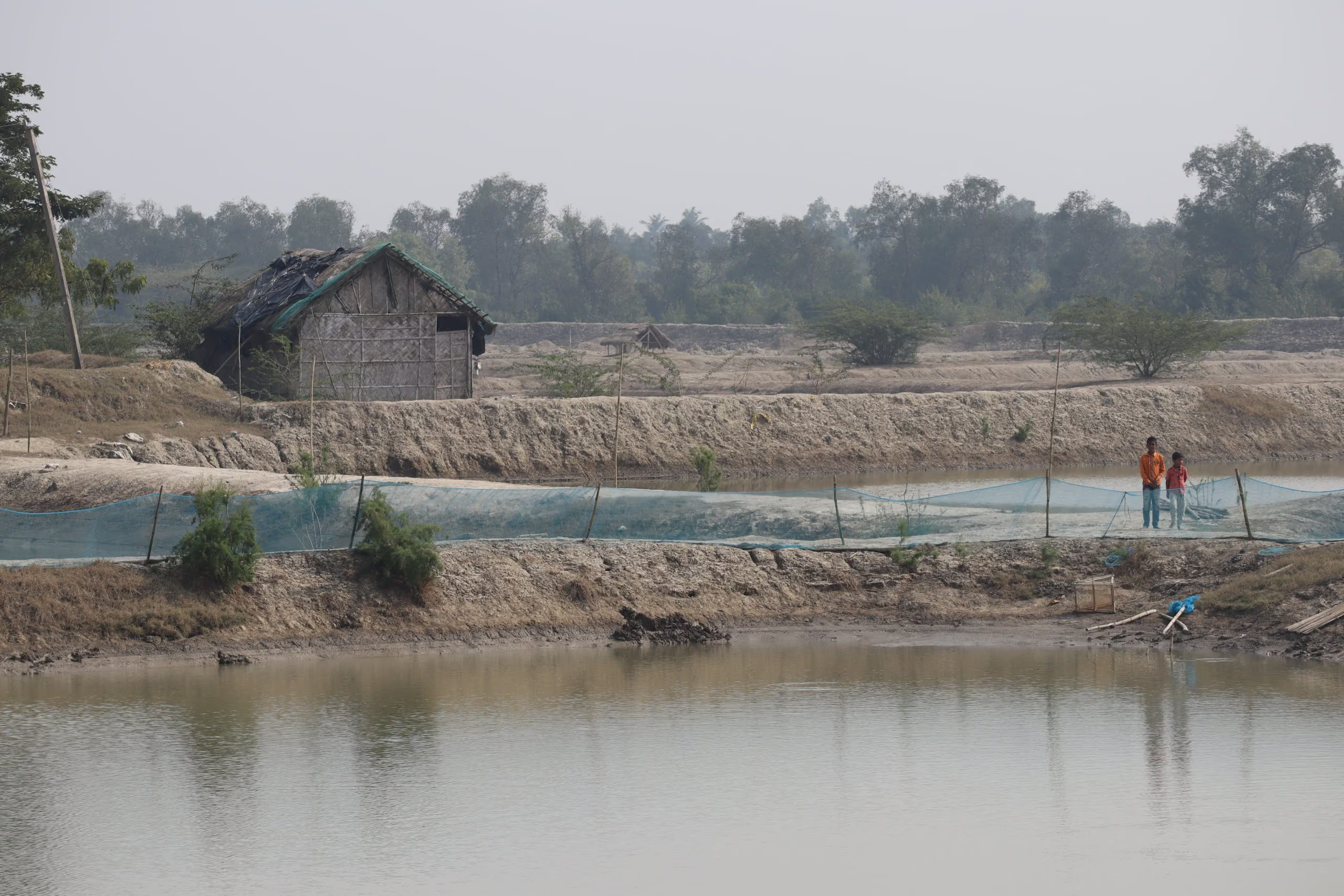
Co-bénéfices des projets : générer des impacts socio-environnementaux positifs
Carbon projects play a crucial role in the global fight against climate change, either by reducing or avoiding greenhouse gas (GHG) emissions, or by capturing carbon from the atmosphere. However, their impact goes far beyond climate change. By generating additional positive socio-environmental impacts, known as co-benefits, these projects make a significant contribution to achieving the Sustainable Development Goals (SDGs). These additional impacts, since they come on top of GHG reduction or sequestration, include positive impacts on the environment, local communities and local economic development.
Carbon projects certified by international standards, the most robust of which are recognized under the ICROA (International Carbon Reduction and Offset Alliance) Code of Good Practice, must meet several quality criteria:
- Additionality
- Measurability
- Sustainability
- Verifiability (audit by independent third parties),
- Uniqueness
- Generation of co-benefits.
Co-benefits can take many forms, from job creation and biodiversity protection to improved health and education infrastructures, and are closely linked to the SDGs.
What are SDGs?
The SDGs, defined and adopted by the United Nations in 2015, constitute a universal roadmap for promoting balanced, equitable and sustainable development on a global scale. Comprising 17 interconnected goals, the SDGs cover major issues such as reducing inequalities, combating climate change and ensuring access to essential resources. They set specific targets to be achieved by 2030, and provide a framework for coordinating the efforts of governments, businesses, NGOs and citizens. Their global and inclusive nature makes it possible to respond to complex and interdependent challenges, while proposing concrete, integrated solutions to carbon projects.
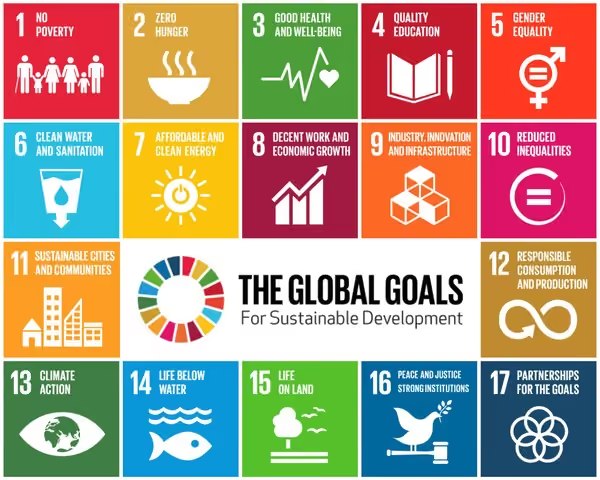
In this context, the SDGs offer a relevant framework for maximizing positive impacts beyond the reduction and/or avoidance of carbon emissions. Each co-benefit targeted by a carbon project, whether in terms of improving living conditions, public health or preserving ecosystems, can contribute to achieving one or more of the SDGs. This contribution must be supported by tangible, measurable evidence, such as impact indicators or validated scientific studies.
Case study: Mangroves project in Pakistan
The Sindh project is an initiative focusing on the restoration and conservation of mangroves in the Indus delta region of Sindh, Pakistan. Deforestation in the Indus delta has led to a significant reduction in mangrove cover, from 600,000 hectares in the 1980s to around 263,000 hectares in 1990. This deforestation is mainly due to the intensive exploitation of mangroves for firewood, fodder and grazing by local communities and their livestock. This phenomenon is exacerbated by the reduction in freshwater and sediment inputs caused by the construction of upstream dams and irrigation projects. This combination of human activity and dwindling natural resources has led to significant degradation of the mangrove ecosystem.
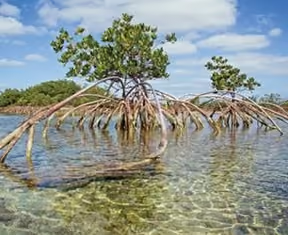
This region is essential for climate change adaptation thanks to its unique arid-climate mangroves, which act as natural barriers against coastal erosion, storms and sea-level rise. In addition, these ecosystems support local biodiversity and provide vital livelihoods for communities, making their restoration crucial to environmental and social resilience. This project covers 350,000 hectares and focuses on the restoration and protection of mangroves, which are essential for preserving biodiversity and protecting coasts from storms.
Project highlights and environmental co-benefits
In addition to carbon sequestration, restored mangrove forests play a vital role in preserving and restoring habitats for many rare and endangered species. These include the Indian pangolin, the Indus river dolphin, and the fishing cat, as well as several species of seabirds and amphibians.
Mangroves also host a rich and diverse ecosystem that supports the reproduction and development of numerous species of fish, crustaceans, and mollusks. These areas serve as natural nurseries for key species such as shrimp, crabs, and tropical fish, thereby strengthening marine food chains and contributing to the food security of local communities.
The project emphasizes the planting of various native mangrove species, including Avicennia marina, Rhizophora mucronata, and Ceriops tagal, which are well-adapted to the region’s arid and saline conditions. These species were selected for their ability to stabilize soils, reduce coastal erosion, and provide critical habitats for marine and terrestrial species. The complex root systems of these trees not only protect coasts from erosion and storms but also enhance soil fertility by promoting sedimentation and improving surrounding water quality.
Furthermore, mangrove restoration helps boost local agricultural productivity by mitigating saltwater intrusion, enabling the cultivation of food crops and maintaining grazing lands for livestock. These efforts directly contribute to the climate and economic resilience of communities that rely on these natural resources for their livelihoods.
More specifically, this project addresses the following SDGs:
GHG emission reductions of 3,497,159 tCO2e during the monitoring period.
Restored mangroves over more than 73,125 hectares significantly increase the number of spawning sites for fish, shrimp, and other marine species. Species such as the Indian pangolin and the freshwater dolphin are preserved.
Soil fertility is maintained, and land degradation is managed by controlling saltwater intrusion through processes within thriving mangrove forests. The ecosystem also contributes to crop pollination and biological control of insects, pests, and diseases.
Social co-benefits
On a social level, the project has generated significant co-benefits for local communities. It has created over 10,000 jobs in various sectors such as mangrove planting and maintenance, natural resource management, community infrastructure construction, and raising awareness among local populations. Among these, 1,030 jobs were specifically allocated to women, promoting their economic independence and participation in sustainable development initiatives.
In addition, more than 15,000 people have benefited from improved access to healthcare services through public health awareness campaigns, mobile clinics providing basic medical consultations, and vaccination programs for children. Over 400 people now have access to clean drinking water thanks to the installation of wells and adapted filtration systems. Community latrines have been built to improve sanitary conditions and reduce the risk of diseases.
The project has strengthened the education of 386 individuals, including 161 girls, through various initiatives. It has enabled the construction of classrooms and the organization of training sessions on natural resource management, including mangrove conservation and sustainable agricultural practices. Workshops were also conducted to develop women’s leadership and entrepreneurial skills.
This project specifically addresses the following SDGs (consider including SDG logos):
- No Poverty (SDG 1):
Support for fishing communities has promoted sustainable practices, reaching 8,949 individuals. At the same time, the development of community business projects and access to microfinance have strengthened local economic capacities. - Zero Hunger (SDG 2):
Increased agricultural and livestock productivity through enhanced coastal protection resulting from mangrove restoration. - Good Health and Well-being (SDG 3):
Access to improved healthcare facilities, benefiting 15,124 people, including 7,662 women. - Quality Education (SDG 4):
The project aims to provide access to education for 386 individuals, including 161 girls, in the region. It also includes training personnel from the Sindh Forestry and Wildlife Department to enhance local capacities in conservation and natural resource management. - Gender Equality (SDG 5):
The project promotes gender equality by offering income-generating activities specifically designed for women, benefiting 1,030 women. - Clean Water and Sanitation (SDG 6):
Access to clean water and sanitation facilities benefits 400 people, including 150 women. - Decent Work and Economic Growth (SDG 8):
Les activités de restauration des mangroves ont permis de créer 10 410 emplois directs, dont 1 030 occupés par des femmes. - Villes et communautés durables (ODD 11) :
Une meilleure protection contre les ondes de tempête et autres risques pour 21 344 personnes.
Mesure et évaluation des co-bénéfices
La mesure et l'évaluation des co-bénéfices sont essentielles pour garantir l'impact global des projets carbone. Pour ce projet, la certification CCB (Climate, Community, and Biodiversity Standards) , au niveau Or, garantit un suivi rigoureux et une reconnaissance internationale des co-bénéfices. Cette norme, gérée par Verra, établit des critères stricts pour évaluer l'impact du projet sur le climat, les communautés locales et la biodiversité.
La certification CCB repose sur un processus rigoureux qui comprend :
- Conception du projet : Les porteurs de projet doivent démontrer comment leur initiative contribue à la séquestration du carbone tout en générant des avantages tangibles pour les communautés et les écosystèmes.
- Validation initiale : Un auditeur tiers indépendant examine la documentation du projet pour vérifier sa conformité aux critères de la norme.
- Vérification périodique : Des audits réguliers, incluant des visites sur le terrain, garantissent que les résultats annoncés sont atteints et que les engagements pris dans le cadre du projet sont respectés.
- Reporting transparent : Les développeurs doivent soumettre des rapports d'avancement détaillés, incluant des données environnementales (telles que la restauration des habitats et la séquestration du carbone) et sociales (telles que les bénéfices pour les communautés locales). Ces rapports sont accessibles au public via des registres en ligne, garantissant une transparence totale.
Pour ce projet, les évaluations incluent :
- Suivi environnemental en utilisant des technologies de pointe telles que les satellites et les drones.
- Enquêtes auprès des communautés pour évaluer les bénéfices sociaux.
- Suivi d'indicateurs spécifiques, tels que le nombre d'espèces protégées et la superficie des habitats restaurés.
Vers des projets carbone à impacts multiples pour un avenir durable
Les co-bénéfices des projets carbone sont essentiels pour maximiser leurs impacts positifs au-delà de la simple lutte contre le changement climatique, en intégrant des avantages sociaux, économiques et environnementaux.
Au-delà de la réduction des émissions de GES, ces projets génèrent des impacts positifs tangibles pour les communautés locales, la biodiversité et l'économie. L'exemple du projet de restauration de mangroves dans le Sindh, au Pakistan, démontre comment les projets carbone peuvent relever des défis environnementaux tout en apportant des solutions à des problèmes sociaux et économiques.
En mettant en œuvre des mesures rigoureuses de suivi et de vérification, ces projets garantissent une contribution significative aux Objectifs de développement durable, ouvrant la voie à un avenir plus durable et résilient pour tous.