Biochar for Soil Health Enhancement - India
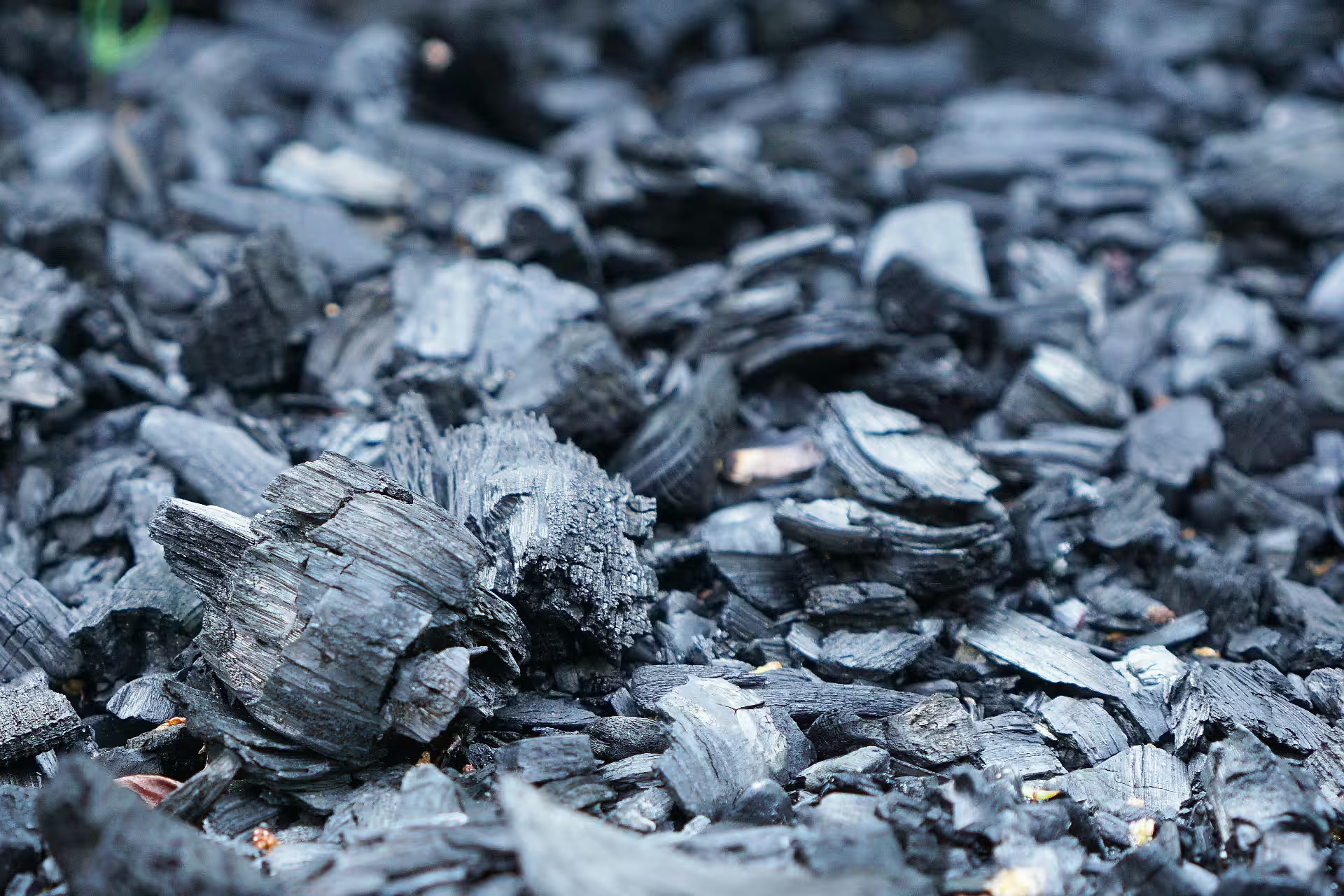
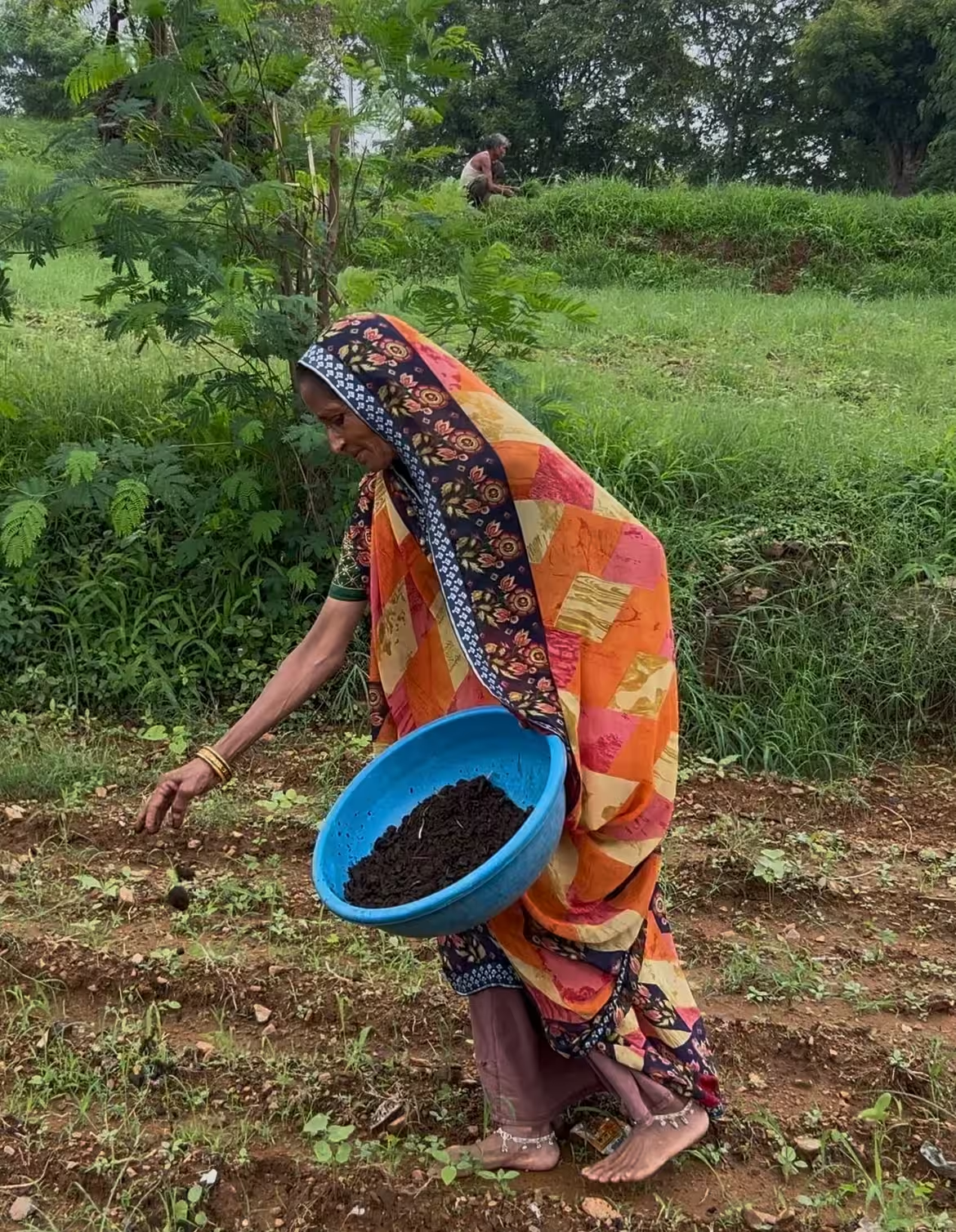
The biochar project converts crop residues into biochar through decentralised, on-farm pyrolysis in villages across India's cotton and chilli belts. Applied to nearby farmland, the biochar stores carbon for up to 1,000 years, replaces open-field burning and restores soil health.
Tech-Based Solutions
Biochar
908,000 tCO2e
KriShe Carbon


New income opportunities for smallholder farmers, who are paid for each batch of crop residues and receive biochar free of charge to improve soil productivity and reduce input costs

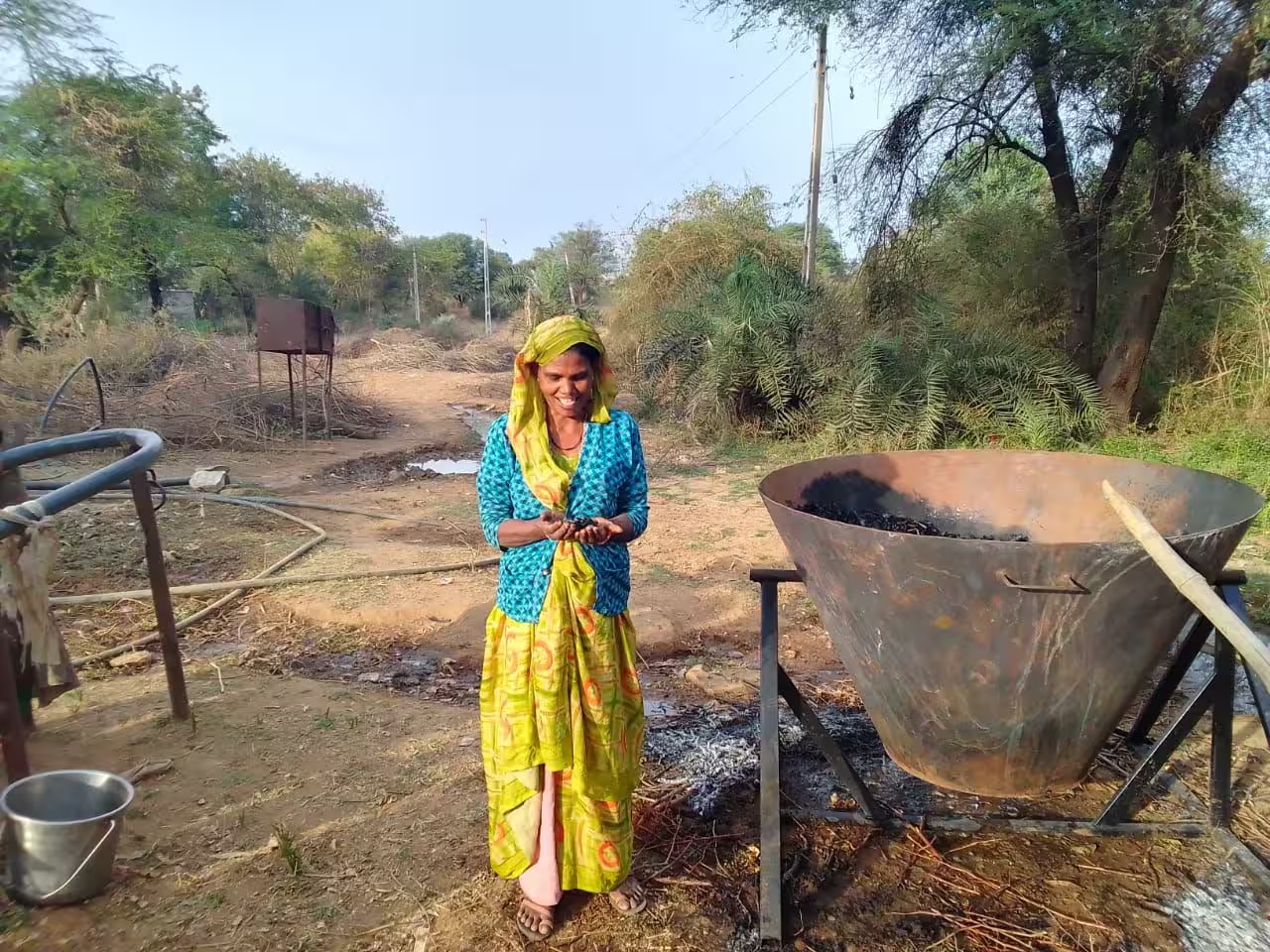
Skilled rural green jobs for local Climapreneurs, 80% of whom are women, supporting their financial independence

Farmer training supporting more sustainable livelihoods and climate-resilient agriculture

Around 908,000 tCO2e of carbon removals expected over five years, stored in agricultural soils for up to 1,000 years

Reduced open-field burning of crop residues and improved local air quality

Restored soil health, with better water and nutrient retention and long-term fertility



India generates around 500 million tonnes of agricultural residues each year, more than 140 million tonnes of which remain unused. These residues are often burned or left to decay, contributing to greenhouse gas emissions, air pollution and soil degradation. Stubble burning alone is estimated to account for nearly 8%of India's national emissions.
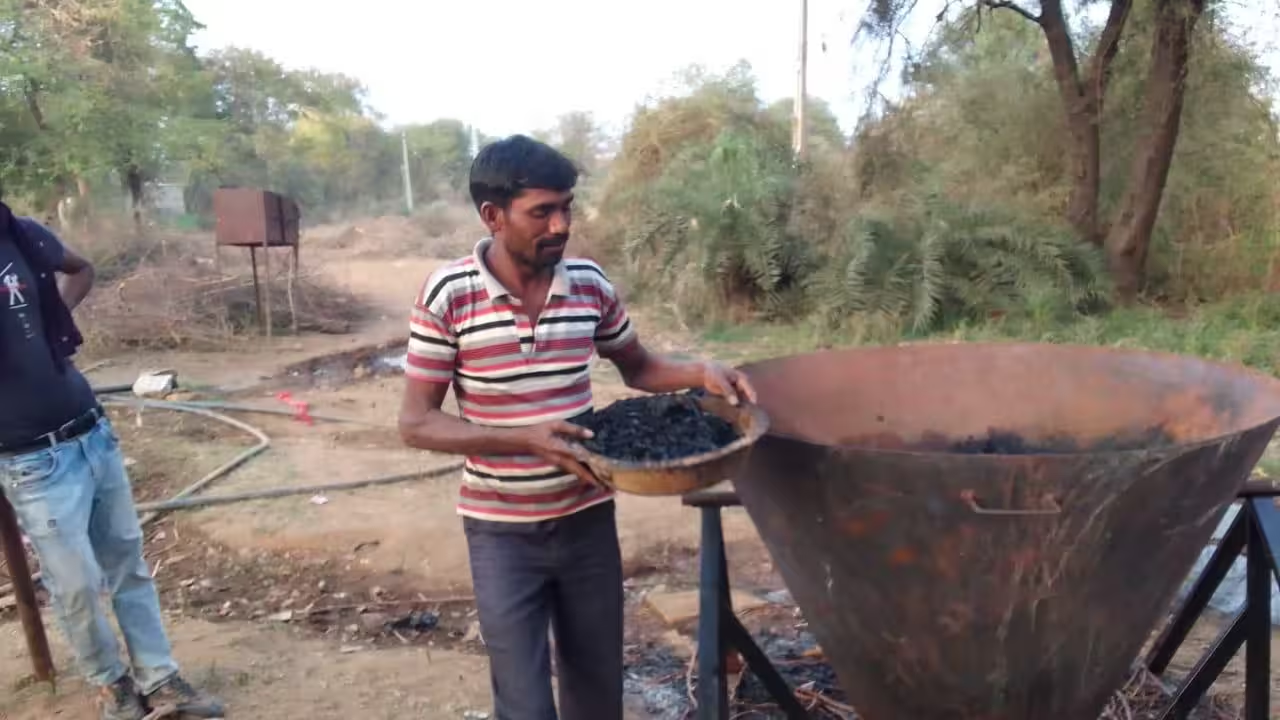
The project, developed with KriSHE Carbon, converts cotton and chilli stalks, corn cobs and coconut husks, collected from farmland within 30 km, into biochar through decentralised, on-farm pyrolysis. Low-tech Kon-Tiki flame-curtain kilns, manufactured locally in Gujarat, each produce around 120 tonnes of biochar ayear. In each village, a local entrepreneur known as a Climapreneur is trained to operate the kiln, support farmers and monitor production, backed by KriSHECarbon's field teams.
The biochar is then mixed with compost or manure and applied to neighbouring fields, with soil testing before and after application. Its high stability locks carbon into a durable form, turning agricultural waste into a long-term carbon sink. Active in Gujarat, Maharashtra and Telangana, the project is expanding to Andhra Pradesh and Madhya Pradesh, with around 908,000 tCO2e of removals expected over five years.