
Removall's CSR approach
In France today, less than 50% of SMEs are committed to a CSR approach, and almost 40% are unfamiliar with the concept. Yet it is key to achieving sustainable development objectives that private players commit to improving their impact.
At Removall, we have around 25 employees and have put in place a simple CSR approach that we would like to share, to demonstrate that it is possible to have a positive impact even on a small scale.
As a company committed to the environment and a company with a mission, we were keen to develop a rigorous internal CSR policy in line with the values we uphold in our business.
Here are the key stages:
Structuring our approach
- We began by setting up our CSR Committee in October 2022, made up of volunteer members from each of Removall’s teams. The committee holds monthly progress reviews and quarterly meetings with management.
- Since 2023, we have been using the framework suggested by Ecovadis to better structure our approach around the Environment, Ethics, Social and Governance pillars. It is thanks to the feedback from this assessment that we have been able to progressively improve our approach. Today, we are proud to be among the top 6% of companies with the most serious CSR approach.
Involving employees in the process
- It’s important to raise awareness of our CSR approach within the company, and to involve as many volunteers as possible. Every newcomer to Removall receives a guide to best practices for reducing his or her daily impact at work, and is trained in the workings and actions of the CSR committee. We ensure that all CSR resources are always accessible to employees (charters, policies, reports, etc.).
- We also organize awareness-raising campaigns (themed displays and training courses) and solidarity actions (clothing drives, solidarity team-buildings in aid of associations) to get employees as involved as possible and share useful knowledge.
Tracking our actions
We attach great importance to measuring not only our impact, but also our progress. That’s why, by collecting data throughout the year, we measure our carbon footprint and waste emissions. These data are then aggregated in our sustainable development report and our Carbon Footprint, which is carried out each year in accordance with the ADEME method. We compare our results with those of the previous year, and define our work objectives for the coming year.
Offsetting our carbon emissions
To perfect our approach, we offset our residual emissions using our expertise in carbon projects to select quality initiatives to support, which we submit to an internal vote to offset our emissions. In this way, we take care to promote projects that have both a strong environmental impact and significant social benefits.
Introduction to the Voluntary Carbon Market in Africa
As global awareness of climate change intensifies, the Voluntary Carbon Market has emerged as a vital tool for countries to mitigate greenhouse gas emissions. In Africa, where the effects of climate change are increasingly apparent, the VCM presents an opportunity to invest in projects that sequester carbon, enhance livelihoods, protect biodiversity, and foster resilience.
The Rising Influence of Africa in the Global Voluntary Carbon Market
While the VCM in Africa started relatively slowly — with the first credits issued on the continent dating back to 2003, compared to 1996 globally — Africa’s influence in the global carbon market has been steadily increasing. According to the Berkeley Carbon Trading Project’s Voluntary Registry Offsets Database (2024)*, the number of credits issued and retired in Africa has grown significantly between 2018 and 2024, respectively multiplying by 3 and 4 (graph below).

As a result, the share of African projects in the annual global credits issued has risen from 13.5% in 2018 to 25% in 2023. This represents a remarkable growth trajectory, as the continent increasingly attracts investment and interest from international companies seeking to offset their emissions.
* The database tracks carbon offset projects, credit issuances, and retirements across four major registries: American Carbon Registry (ACR), Climate Action Reserve (CAR), Gold Standard, and Verra (VCS).
Overview of the Voluntary Carbon Market in Africa
Today, the voluntary carbon market in Africa is thriving, with projects spanning across renewable energies (wind, solar, geothermal), energy efficiency, reforestation, sustainable agriculture and community-based projects (cookstoves, clean water). The 2024 Berkeley Database suggests that more than 2,000 African projects have issued credits since the market’s inception. These projects have collectively issued 300 million carbon credits (equivalent to around $2.2 Bn**), with 151 million retired to offset emissions ($1.2 Bn). The majority of these credits have been registered under two main standards: the Verified Carbon Standard (VCS) – 66.5%, and Gold Standard – 33.5%.
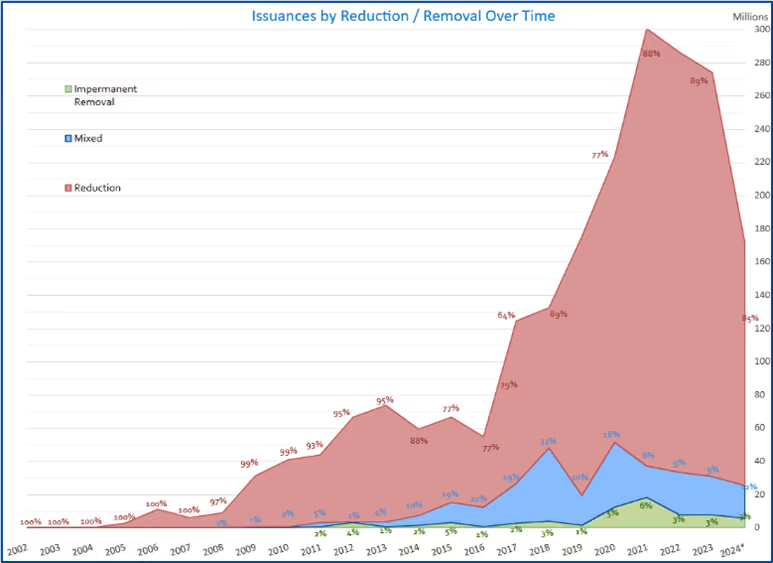
Similarly to the rest of the world, the bulk of carbon credits in Africa are derived from emission reductions or avoidance (85%), with only a small proportion of credits linked to mixed credits (12%) and even fewer to pure removals (3%). This makes removal projects and Nature-Based Solutions particularly rare and attractive to investors on the continent.
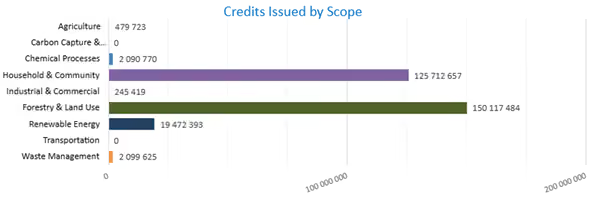
In terms of project typology, the forestry and land-use sector remains dominant in Africa, accounting for 50% of the credits issued. This is primarily driven by forest conservation projects (88%), with a lesser proportion attributed to reforestation or sustainable grassland management.
The second key sector in Africa is household and community-based projects, which represent 42% of total credits issued. These are mostly driven by clean cookstoves (78%), with other notable contributions from clean water initiatives (10%), energy efficiency programs (5.8%), and community boreholes (5.6%).
Renewable energy projects, though still limited, account for 6.5% of credits issued.
In terms of regions, East Africa leads the market, accounting for 44% of Africa’s projects, with Kenya alone representing 50% of that total. Southern Africa follows with 29%, Central Africa makes up 14%, and West Africa 12%, while North Africa contributes just 1%. Key countries with the highest number of carbon offset projects include Kenya (296 projects), Uganda (250), Rwanda (204), Malawi (131), and Madagascar (119).
**Pricing reference MSCI
Recent Regulatory Developments
The Africa Carbon Market Initiative (ACMI) is a pioneering initiative aimed at accelerating the development of carbon markets across Africa. Launched in 2023, it is part of the broader effort to support the continent’s contribution to global climate action. The primary goal of the ACMI is to create a robust and transparent carbon market infrastructure to enable African countries to tap into the growing global demand for carbon credits.
In line with this initiative, several African countries have made significant strides in establishing and refining their carbon regulatory frameworks in the past few years.
In East Africa, Kenya has introduced the Climate Change Act (2016) and completed it with the newly released Climate Change (Carbon Markets) Regulations (2024). Both documents create a legal framework for carbon trading and outlines procedures for the development of carbon offset projects. Rwanda also appears as a country favourable to carbon investors, with one of the first Corresponding Adjustments approval released globally on a carbon project.
In Southern Africa, South Africa has made notable progress with its carbon tax policy, which includes provisions for companies to offset a portion of their tax liabilities through investments in certified carbon projects (Department of Environmental Affairs, South Africa, 2019). Mozambique has also established a clear and favourable legal framework to implement carbon projects with the Decree No. 23/2018.
In West Africa, Ghana has implemented the Ghana Forest Investment Programme (GFIP), which focuses on enhancing forest management and conservation (Ghana Forestry Commission, 2019). This program supports the development of carbon credits from reforestation and afforestation projects.
The evolution of these carbon regulations is significantly impacting the landscape for carbon offset projects in Africa, encouraging other countries to also work a clearer legal frameworks and supportive policies.
Challenges and Opportunities
Despite the positive developments, several challenges persist in the regulatory landscape. Unclear or complex regulatory requirements or heavy compliance costs are prohibitive for both project developers and investors. Small and local entities lack the expertise needed to navigate complex regulatory requirements (Huang et al., 2020).
However, these challenges also present opportunities for growth. Looking ahead, the future of the voluntary carbon market in Africa appears promising. As regulatory frameworks continue to evolve, they will likely encourage increased investment in carbon projects, enhance project credibility, and align national efforts with global climate goals.
Current Status of African Carbon Projects and Future Prospects
Despite their importance and potential, there are still relatively few removal carbon projects in Africa that generate carbon credits.
Removall, committed to advancing the African carbon initiative, has been developing and investing in African carbon projects for over three years. Nearly 40% of the projects in the portfolio are based in Africa. Some of these projects have already been certified and generated their first carbon credits in 2024, including credits with corresponding adjustments. Significant investments have been made in projects in Mozambique and Rwanda, while additional opportunities are currently being developed in Tanzania, Uganda, Rwanda, Kenya, Ghana, Madagascar, and other countries.
In line with our commitment to the continent, Removall recently opened an office in Nairobi to strengthen operations, better identify new project opportunities, and improve the management of investments in the region. This strategic move will help scale up the impact and continue driving sustainable development across Africa.
Conclusion
It is crucial to remember that carbon offset projects in Africa are not just about environmental outcomes; they are deeply tied to development, the livelihoods of local communities and biodiversity. These projects often support the preservation of ecosystems, enhance agricultural productivity, provide clean energy, and improve health outcomes—directly impacting the lives of millions of people.
Unfortunately, at times, the ongoing debates and criticisms around carbon market integrity, and the complexities of environmental standards in developed countries can overshadow the urgent need for greater investment in Africa’s carbon projects. While these debates are important, they must not detract from the immediate need to channel more financing into projects that can deliver both environmental and social benefits. The reality on the ground is that for many African countries, the voluntary carbon market offers a rare opportunity to address both climate change and development challenges in tandem.
References
- Berkeley University, Voluntary Registry Offsets Database v2024-08-31. The database, developed by the Berkeley Carbon Trading Project, contains all carbon offset projects, credit issuances, and credit retirements listed globally by four major voluntary offset project registries—American Carbon Registry (ACR), Climate Action Reserve (CAR), Gold Standard, and Verra (VCS).
- Department of Environmental Affairs, South Africa. (2019). Carbon Tax Act.
- Ghana Forestry Commission. (2019). Ghana Forest Investment Programme (GFIP).
- Government of Kenya. (2016). Climate Change Act.
- Huang, J., et al. (2020). « Challenges in Carbon Market Development in Africa. » Environmental Science & Policy, 107, 89-95.
- MSCI pricing database.
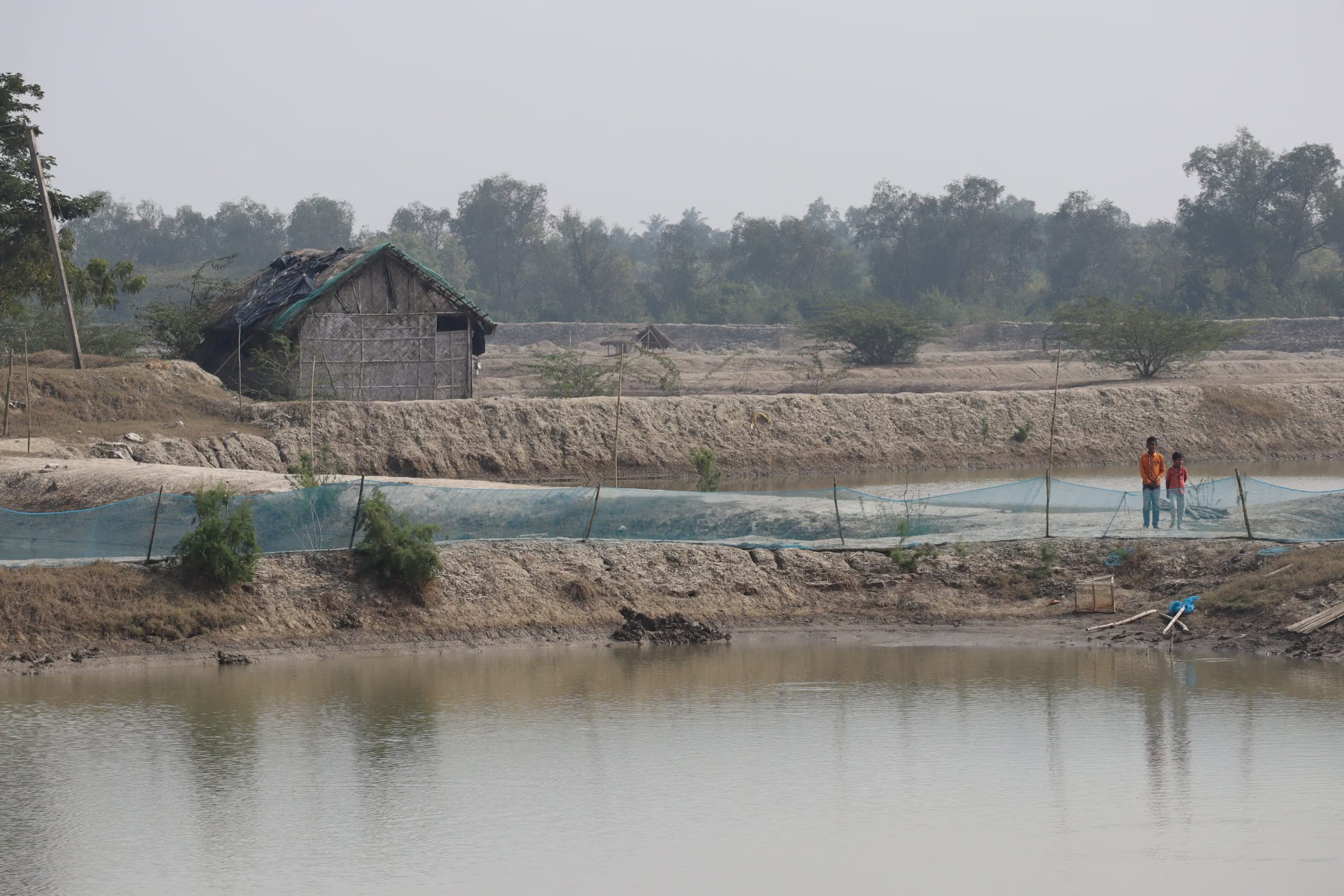
Projects Co-Benefits: Generating positive socio-environmental impacts
Carbon projects play a crucial role in the global fight against climate change, either by reducing or avoiding greenhouse gas (GHG) emissions, or by capturing carbon from the atmosphere. However, their impact goes far beyond climate change. By generating additional positive socio-environmental impacts, known as co-benefits, these projects make a significant contribution to achieving the Sustainable Development Goals (SDGs). These additional impacts, since they come on top of GHG reduction or sequestration, include positive impacts on the environment, local communities and local economic development.
Carbon projects certified by international standards, the most robust of which are recognized under the ICROA (International Carbon Reduction and Offset Alliance) Code of Good Practice, must meet several quality criteria:
- Additionality
- Measurability
- Sustainability
- Verifiability (audit by independent third parties),
- Uniqueness
- Generation of co-benefits.
Co-benefits can take many forms, from job creation and biodiversity protection to improved health and education infrastructures, and are closely linked to the SDGs.
What are SDGs?
The SDGs, defined and adopted by the United Nations in 2015, constitute a universal roadmap for promoting balanced, equitable and sustainable development on a global scale. Comprising 17 interconnected goals, the SDGs cover major issues such as reducing inequalities, combating climate change and ensuring access to essential resources. They set specific targets to be achieved by 2030, and provide a framework for coordinating the efforts of governments, businesses, NGOs and citizens. Their global and inclusive nature makes it possible to respond to complex and interdependent challenges, while proposing concrete, integrated solutions to carbon projects.
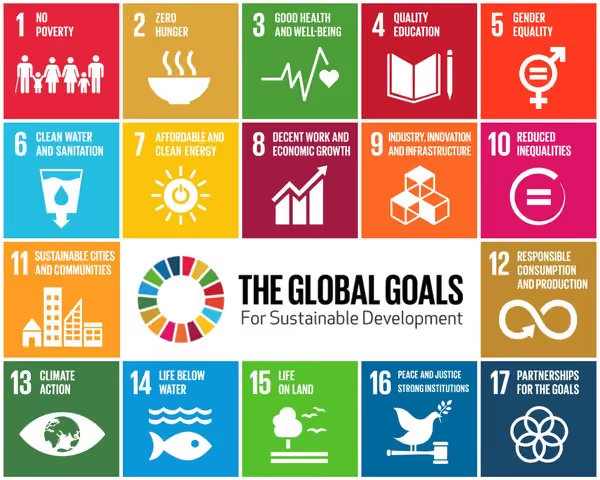
In this context, the SDGs offer a relevant framework for maximizing positive impacts beyond the reduction and/or avoidance of carbon emissions. Each co-benefit targeted by a carbon project, whether in terms of improving living conditions, public health or preserving ecosystems, can contribute to achieving one or more of the SDGs. This contribution must be supported by tangible, measurable evidence, such as impact indicators or validated scientific studies.
Case study: Mangroves project in Pakistan
The Sindh project is an initiative focusing on the restoration and conservation of mangroves in the Indus delta region of Sindh, Pakistan. Deforestation in the Indus delta has led to a significant reduction in mangrove cover, from 600,000 hectares in the 1980s to around 263,000 hectares in 1990. This deforestation is mainly due to the intensive exploitation of mangroves for firewood, fodder and grazing by local communities and their livestock. This phenomenon is exacerbated by the reduction in freshwater and sediment inputs caused by the construction of upstream dams and irrigation projects. This combination of human activity and dwindling natural resources has led to significant degradation of the mangrove ecosystem.
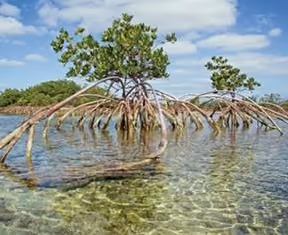
This region is essential for climate change adaptation thanks to its unique arid-climate mangroves, which act as natural barriers against coastal erosion, storms and sea-level rise. In addition, these ecosystems support local biodiversity and provide vital livelihoods for communities, making their restoration crucial to environmental and social resilience. This project covers 350,000 hectares and focuses on the restoration and protection of mangroves, which are essential for preserving biodiversity and protecting coasts from storms.
Project highlights and environmental co-benefits
In addition to carbon sequestration, restored mangrove forests play a vital role in preserving and restoring habitats for many rare and endangered species. These include the Indian pangolin, the Indus river dolphin, and the fishing cat, as well as several species of seabirds and amphibians.
Mangroves also host a rich and diverse ecosystem that supports the reproduction and development of numerous species of fish, crustaceans, and mollusks. These areas serve as natural nurseries for key species such as shrimp, crabs, and tropical fish, thereby strengthening marine food chains and contributing to the food security of local communities.
The project emphasizes the planting of various native mangrove species, including Avicennia marina, Rhizophora mucronata, and Ceriops tagal, which are well-adapted to the region’s arid and saline conditions. These species were selected for their ability to stabilize soils, reduce coastal erosion, and provide critical habitats for marine and terrestrial species. The complex root systems of these trees not only protect coasts from erosion and storms but also enhance soil fertility by promoting sedimentation and improving surrounding water quality.
Furthermore, mangrove restoration helps boost local agricultural productivity by mitigating saltwater intrusion, enabling the cultivation of food crops and maintaining grazing lands for livestock. These efforts directly contribute to the climate and economic resilience of communities that rely on these natural resources for their livelihoods.
More specifically, this project addresses the following SDGs:
GHG emission reductions of 3,497,159 tCO2e during the monitoring period.
Restored mangroves over more than 73,125 hectares significantly increase the number of spawning sites for fish, shrimp, and other marine species. Species such as the Indian pangolin and the freshwater dolphin are preserved.
Soil fertility is maintained, and land degradation is managed by controlling saltwater intrusion through processes within thriving mangrove forests. The ecosystem also contributes to crop pollination and biological control of insects, pests, and diseases.
Social co-benefits
On a social level, the project has generated significant co-benefits for local communities. It has created over 10,000 jobs in various sectors such as mangrove planting and maintenance, natural resource management, community infrastructure construction, and raising awareness among local populations. Among these, 1,030 jobs were specifically allocated to women, promoting their economic independence and participation in sustainable development initiatives.
In addition, more than 15,000 people have benefited from improved access to healthcare services through public health awareness campaigns, mobile clinics providing basic medical consultations, and vaccination programs for children. Over 400 people now have access to clean drinking water thanks to the installation of wells and adapted filtration systems. Community latrines have been built to improve sanitary conditions and reduce the risk of diseases.
The project has strengthened the education of 386 individuals, including 161 girls, through various initiatives. It has enabled the construction of classrooms and the organization of training sessions on natural resource management, including mangrove conservation and sustainable agricultural practices. Workshops were also conducted to develop women’s leadership and entrepreneurial skills.
This project specifically addresses the following SDGs (consider including SDG logos):
- No Poverty (SDG 1):
Support for fishing communities has promoted sustainable practices, reaching 8,949 individuals. At the same time, the development of community business projects and access to microfinance have strengthened local economic capacities. - Zero Hunger (SDG 2):
Increased agricultural and livestock productivity through enhanced coastal protection resulting from mangrove restoration. - Good Health and Well-being (SDG 3):
Access to improved healthcare facilities, benefiting 15,124 people, including 7,662 women. - Quality Education (SDG 4):
The project aims to provide access to education for 386 individuals, including 161 girls, in the region. It also includes training personnel from the Sindh Forestry and Wildlife Department to enhance local capacities in conservation and natural resource management. - Gender Equality (SDG 5):
The project promotes gender equality by offering income-generating activities specifically designed for women, benefiting 1,030 women. - Clean Water and Sanitation (SDG 6):
Access to clean water and sanitation facilities benefits 400 people, including 150 women. - Decent Work and Economic Growth (SDG 8):
Mangrove restoration activities have created direct employment for 10,410 individuals, including 1,030 women. - Sustainable Cities and Communities (SDG 11):
Improved protection against storm surges and other hazards for 21,344 people.
Measurement and Evaluation of Co-Benefits
Measuring and evaluating co-benefits are essential to ensuring the overall impact of carbon projects. For this project, the CCB (Climate, Community, and Biodiversity Standards) certification, at the Gold level, ensures rigorous monitoring and international recognition of co-benefits. This standard, managed by Verra, establishes strict criteria to assess the project’s impact on climate, local communities, and biodiversity.
The CCB certification is based on a rigorous process that includes:
- Project Design: Project developers must demonstrate how their project contributes to carbon sequestration while generating tangible benefits for communities and ecosystems.
- Initial Validation: An independent third-party auditor reviews the project documentation to verify its compliance with the standard’s criteria.
- Periodic Verification: Regular audits, including field visits, ensure that the reported outcomes are achieved and that the commitments made as part of the project are upheld.
- Transparent Reporting: Developers must submit detailed progress reports, including environmental data (such as habitat restoration and carbon sequestration) and social data (such as benefits to local communities). These reports are publicly accessible through online registries, ensuring complete transparency.
For this project, evaluations include:
- Environmental monitoring using advanced technologies such as satellites and drones.
- Community surveys to assess social benefits.
- Tracking specific indicators, such as the number of protected species and the area of restored habitats.
Towards Multi-Impact Carbon Projects for a Sustainable Future
The co-benefits of carbon projects are a crucial aspect of maximizing their positive impacts beyond merely addressing climate change, by integrating social, economic, and environmental advantages.
Beyond reducing GHG emissions, these projects generate tangible positive impacts for local communities, biodiversity, and the economy. The example of the mangrove restoration project in Sindh, Pakistan, demonstrates how carbon projects can tackle environmental challenges while providing solutions to social and economic issues.
By implementing rigorous monitoring and verification measures, these projects ensure a significant contribution to the Sustainable Development Goals, paving the way for a more sustainable and resilient future for all.
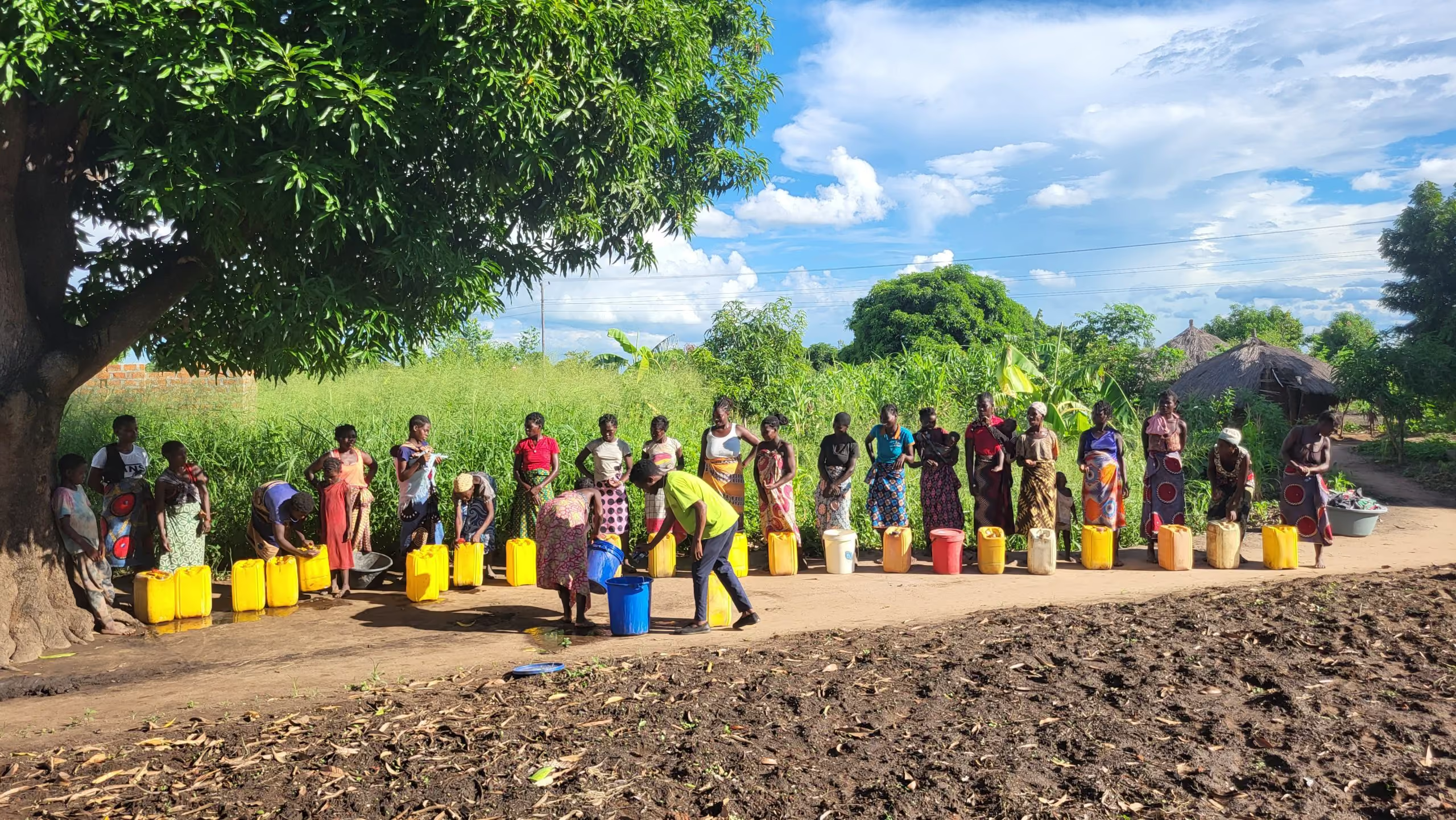
Understanding Suppressed Demand in Safe Water Supply Carbon Projects
In the realm of carbon markets, safe water supply projects offer a unique opportunity to generate carbon credits while delivering life-changing benefits to communities. One key concept that enhances the viability of these projects is suppressed demand — a mechanism that acknowledges the latent, unmet need for cleaner, more sustainable water access in underserved populations. Understanding how suppressed demand works is essential to appreciating the full impact of these projects on both carbon emissions and human well-being.
What is Suppressed Demand?
Suppressed demand refers to a situation where people do not currently consume a service or product considered as basic Human need, typically due to financial, infrastructural, or technological limitations (poverty context). In the context of water supply, many communities rely on unsafe water sources, which often necessitate energy-intensive water boiling for purification — a practice limited by access to fuel and resources.
The carbon market recognizes suppressed demand by allowing projects to account for potential emissions reductions that would occur if communities had access to clean water without the need for boiling. This means that even if communities are not boiling all their water due to lack of fuel (meaning they are consuming unsafe or contaminated water), a project can still claim carbon credits based on the assumption that, in a more equitable scenario, people would purify their water to meet basic health standards.
How Suppressed Demand Applies to Safe Water Supply Projects
Safe water projects, such as the installation of water filtration systems or boreholes, prevent the need for burning biomass to sterilize water. In regions where wood or charcoal is the primary fuel, boiling water contributes significantly to deforestation and greenhouse gas emissions. By installing sustainable water sources, these projects effectively avoid emissions that would otherwise occur, even if communities had not been boiling all their water previously.
For example, under a suppressed demand approach, carbon credits can be issued based on the assumption that every litre of safe water provided displaces emissions from boiling, even if historically only a portion of households boiled their water. This approach acknowledges the right to safe drinking water and aligns carbon accounting with the principle of climate justice, recognizing that lack of resources should not penalize communities in terms of carbon credit generation.
Debates around Suppressed Demand
Despite its advantages, the concept of suppressed demand has sparked debates within the carbon market. Critics argue that it involves hypothetical baselines that can lead to over-crediting, as emissions reductions are based on assumed, rather than actual, avoided emissions. Some also express concerns about the verification of these projects, questioning whether they genuinely lead to additional and measurable climate benefits.
To address these concerns, major carbon standards such as the Gold Standard have established rigorous methodologies for suppressed demand projects and updated them to guarantee conservativeness and high integrity. These standards require strong baseline assessments, conservative crediting approaches, and robust monitoring to ensure that projects deliver real and verifiable benefits. Transparency and community engagement are also emphasized to align climate finance with local development needs.
Implications for Carbon Project Developers
Incorporating suppressed demand in project methodologies broadens the potential for safe water initiatives to attract carbon finance. It makes projects more financially sustainable, enabling the scaling of infrastructure and long-term maintenance. For project developers, understanding and correctly applying suppressed demand calculations ensures accurate credit issuance while demonstrating the full environmental and social benefits of the intervention.
Furthermore, this approach encourages a holistic view of impact: beyond emission reductions, safe water access improves public health, reduces time spent collecting and boiling water, and alleviates pressure on local ecosystems.
Conclusion
The concept of suppressed demand is a powerful tool in safe water supply carbon projects, bridging the gap between current limitations and a future of universal access to clean water. It allows carbon finance to flow to communities most in need, amplifying climate action’s reach and reinforcing the link between environmental sustainability and human development. As the carbon market evolves, embracing mechanisms like suppressed demand will be essential to designing projects that deliver lasting, equitable impact for people and the plan.
Developing High-Integrity Reforestation Carbon Projects
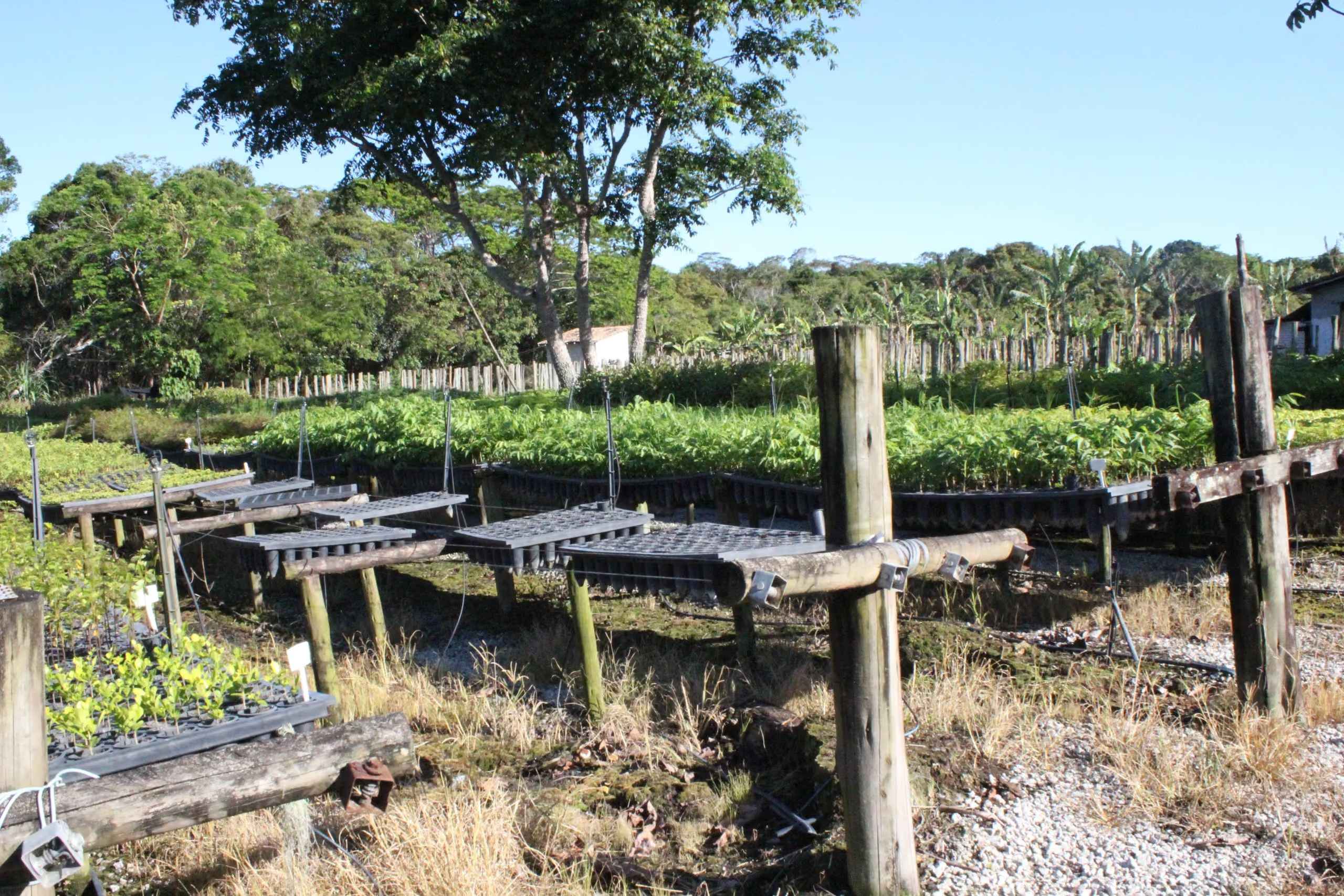
As the climate crisis intensifies, reforestation projects are once again at the forefront of climate mitigation strategies, especially within the voluntary carbon market (VCM). By restoring tree cover in ecologically degraded areas, reforestation projects can generate measurable carbon removals while also addressing local environmental challenges such as soil erosion, water scarcity, and biodiversity loss (Wang et al., 2025)[1].
However, the credibility of reforestation as a climate solution depends on the integrity of the projects. Recent years have seen the emergence of rigorous methodologies and standards, advanced monitoring technologies, and new governance frameworks to ensure that reforestation carbon credits deliver real, additional, and lasting climate benefits.
The Principles of Integrity: Core Criteria for High-Quality Projects
- Additionality: Ensuring Real Climate Impact
Additionality means that the carbon removals or reductions from a project would not have happened without the support of carbon finance. In other words, the project must go beyond what would occur under normal circumstances (« business as usual »). The project must provide evidence, such as financial analysis or legal documents, to show that carbon funding is necessary for the project to take place.
- Dynamic Baselines: Improving Accuracy and Credibility
A baseline is an estimate of what would happen to carbon stocks in the project area if the project did not occur. Traditional baselines were often fixed and sometimes unrealistic. Thus, dynamic baselines are a major improvement. How it works:
- Dynamic baselines are established and updated using a combination of satellite imagery, geospatial analysis, and control plots, which are areas outside the project boundary with similar biophysical and socioeconomic characteristics. These control plots serve as a reference for what would likely happen in the absence of the project.
- For instance, if control plots show that nearby forests are recovering naturally over time, the baseline will also reflect this improvement. As a result, the project can only claim credits for carbon sequestration that exceed this dynamic, evolving benchmark.
- The VM0047 methodology from the VCS is the first methodology in the voluntary carbon market that allows for the use of dynamic performance benchmarks and relies on remote sensing data to establish a project’s baselines and test its additionality[2]. This approach strengthens additionality, reduces the risk of over-crediting, and ensures that climate benefits are conservative and robust.
- Permanence: Securing Long-Term Carbon Storage
Permanence refers to the durability of carbon stored in forests. Risks such as wildfires, pests, and illegal logging can reverse carbon gains. To reduce such risks, high-quality Nature-Based Solutions (NBS) projects implement safeguards including buffer credit reserves, long-term agreements with landholders, and ongoing monitoring and risk assessment. In the context of carbon markets, permanence is typically interpreted as the ability to maintain emission reductions or removals for at least 100 years.
- Robust Monitoring, Reporting, and Verification (MRV)
Accurate and transparent MRV is essential for credible carbon credits. Modern projects use remote sensing (satellite imagery, drones, LiDAR), digital data platforms, and hybrid approaches that combine field measurements with technology. For example, the new Gold Standard’s mangrove restoration methodology[3] includes a remote sensing approach that allows the use of regression analysis between on-site biomass measurements and remote sensing biomass measurements.
- Avoiding Double Counting
Double counting occurs when the same carbon removal is claimed by more than one party. High-integrity projects use transparent tracking and public registries to ensure that each credit is only counted once. Article 6 of the Paris Agreement[4] introduces « corresponding adjustments » to prevent double counting in international markets.
- Social and Environmental Co-Benefits
High-quality reforestation projects deliver benefits beyond carbon, such as community development, biodiversity protection, and ecosystem restoration. Projects must respect the rights and knowledge of local communities, ensure fair benefit sharing, and restore native species. Certifications like the Climate, Community & Biodiversity (CCB)[5] Standards and the W+ Standard[6] help verify these co-benefits.
- Transparency and Independent Verification
Third-party verification is essential. Projects that lack transparent, independently audited MRV are now usually rated lower by agencies such as Sylvera, Calyx, and BeZero, which scrutinize data quality, methodological rigor and offer buyers information about the quality of carbon credits.
Challenges Facing Reforestation Carbon Projects
Despite progress, reforestation projects face several challenges that must be addressed to ensure their long-term impact and credibility:
- Environmental and technical complexities:
Forests are dynamic systems influenced by climate, soil, species selection, and human management. Predicting how much carbon will be stored over decades is difficult, especially as climate change increases risks from drought, pests, and fire. Biomass browth curves are very difficult to forecast as biomass growth depends on a lot of parameters: soil characteristics, water, climatic conditions, species, genetic of seeds, pests and fires.
- Ensuring permanence and managing risks:
Permanence remains a core challenge, especially for projects in low-income regions. Maintaining stored carbon over decades is a major challenge. Events like wildfires or illegal logging can reverse gains quickly, despite tools like buffer pools. Long-term success depends on adaptive management, sustained funding, and local engagement (Cook-Patton et al., 2021[7]).
- Community engagement and social equity:
For reforestation to succeed, local communities must be meaningfully involved. However, explaining carbon markets and ensuring benefit-sharing requires time, trust, and culturally appropriate communication. Projects must ensure transparent benefit-sharing and respect for community rights, including Free, Prior, and Informed Consent (FPIC).
- Market and policy uncertainty:
The voluntary carbon market is evolving rapidly, with new standards, methodologies, and regulations emerging. Uncertainty about future carbon prices, policy changes, and buyer preferences can make it hard for project developers to plan long-term investments.
The Path Forward
To address these challenges and scale up high-integrity reforestation, several steps are essential:
- Adopt advanced methodologies: Use updated standards like VM0047, which require dynamic baselines and robust additionality tests, to improve accuracy and transparency.
- Invest in technology: Leverage digital MRV, remote sensing, and data platforms to reduce costs and improve monitoring.
- Strengthen community partnerships: Involve local communities in project design and monitoring, ensure fair benefit-sharing, and build capacity for long-term management.
- Enhance Risk Management: Expand buffer pools, develop adaptive management plans, and secure long-term funding for monitoring and maintenance.
- Promote policy alignment and market transparency: Support clear rules for credit accounting, avoid double-counting, and encourage the use of public registries and third-party ratings.
These steps are increasingly necessary not only to ensure the environmental integrity of reforestation projects but also to meet evolving market expectations. Buyers are now looking beyond basic carbon removal, placing greater value on transparency, strong monitoring systems, and community engagement. According to Forest Trends (2024)[8], there is a growing demand for high-integrity credits that deliver both climate and social outcomes. Projects that align with these expectations will be better positioned to secure long-term support while contributing meaningfully to ecosystem restoration and sustainable development.
References
[1] https://www.cell.com/one-earth/fulltext/S2590-3322(25)00021-1
[2] https://verra.org/verra-announces-innovative-high-integrity-afforestation-reforestation-and-revegetation-methodology/
[3] https://www.goldstandard.org/news/new-mangrove-methodology-featuring-remote-sensing-expands-nature-based-solutions-from-gold-standard
[4] https://unfccc.int/process-and-meetings/the-paris-agreement
[5] https://www.climate-standards.org/ccb-standards/
[6] https://verra.org/updated-guidance-for-w-standard-labels-for-vcus/
[7] https://www.nature.com/articles/s41558-021-01198-0
[8] https://3298623.fs1.hubspotusercontent-na1.net/hubfs/3298623/SOVCM%202024/State_of_the_Voluntary_Carbon_Markets_20240529%201.pdf
Transforming Communities One Drop at a Time
The Global Clean Water Crisis
Access to clean drinking water remains a fundamental challenge worldwide. According to the State of Drinking Water Report (UNICEF, 2020), 74% of the global population had access to safely managed drinking water, but this figure drops significantly in rural and under developed regions revealing stark inequalities. For instance, 96% of the population in Europe and North America enjoys access to safely managed drinking water, compared to just 30% in Sub-Saharan Africa. Among African countries, coverage estimates ranged from 75% in Morocco to just 6% in Chad. These regional disparities highlight the urgent need for targeted interventions in areas with the lowest access rates.
Health and Economic Impacts of Unsafe Water
Lack of access to clean water leads to devastating health outcomes, particularly among vulnerable populations. Waterborne diseases, such as cholera and dysentery, disproportionately affect low-income communities, where unsafe drinking water is often the norm. Studies have also linked lack of clean water to infant malnutrition, as contaminated water can lead to diarrhea and substantial weightloss. Access to safe water sources, such as piped water, tube wells, and handpumps, is directly correlated with improved weight-for-height Z-scores (WHZ), a key indicator of infant health tracked under the Sustainable Development Goals. Furthermore, the burden of water collection— especially in rural areas —falls largely on women and children, with women in some communities spending up to 7 hours daily fetching water.
The Carbon Credit Mechanism in Water Projects
An innovative approach now links clean water access with climate action: carbon credits for clean water projects. As an impact company, Removall Carbon develops and invests in projects that provide safe water while reducing emissions, using carbon financing to fund sustainable solutions. Our processs tarts with a baseline assessment to quantify emissions from traditional water treatment, such as boiling with firewood. We then implement clean water solutions such as boreholes, community level filtration centres, or infrastructure rehabilitation, eliminating the need for boiling and reducing emissions. Verified reductions generate carbon credits, each representing one tonne of CO₂avoided, which are sold to offset carbon footprints. The revenue from those credit sales then funds project operations, maintenance, and expansion. Since 2004,460 clean water projects in voluntary carbon markets have generated nearly 20million credits (Berkeley Carbon Trading Project), creating a sustainable cycle of clean water access and emission reductions.
Technology Behind Carbon-Financed Water Projects
Carbon-financed clean water projects focus on improving water access and treatment at both community and household levels. For water treatment, community centres may use filtration or chemical disinfection, while household solutions include ceramic filters, solar disinfection, or chlorination. For improving access, borehole systems, which tap into underground aquifers, provide naturally filtered water, reducing the need for treatment and eliminating firewood boiling, saving up to 1.75tonnes of CO₂ per household annually. Rehabilitating existing hand pumps is also crucial in reducing environmental impact and creating cost-effective community-level solutions in rural settings.
Project Pungue - Mozambique
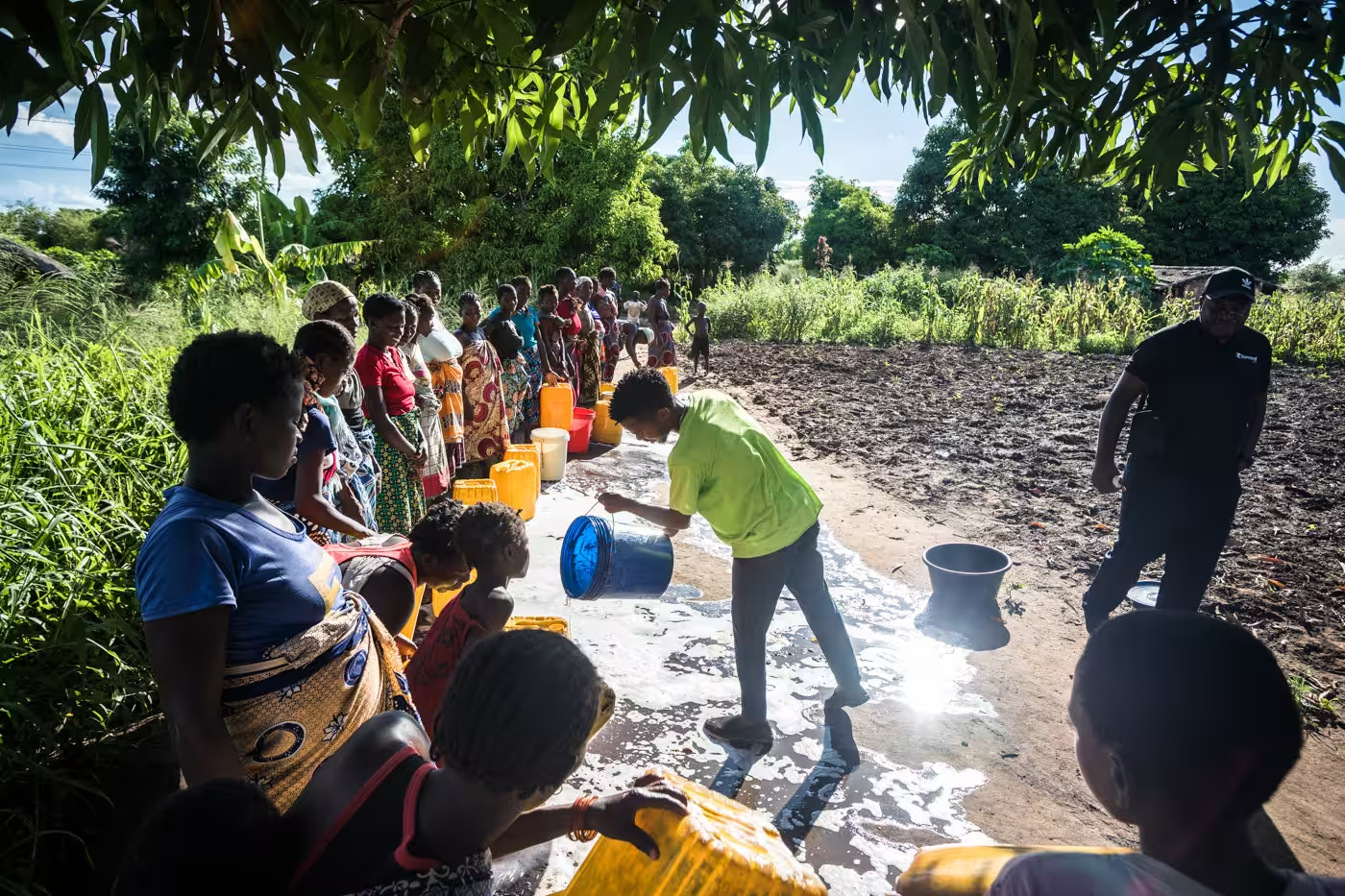
This is the case of our project in Mozambique. By repairing over 1,000 non-functional handpumps, restoring access to naturally safe groundwater for communities across 8 districts in Sofala Province, the Pungue Project reduces the incidence of waterborne diseases but also lowers carbon emissions by eliminating the need for firewood or charcoal to boil water. This approach is estimated to avoid 1.3million tonnes of CO2 equivalent over the project's lifetime, serving approximately 312 000 households' beneficiaries.
Project Saaf Paani Clean Water – India
Project SaafPaani Clean Water, in India, operates community water filtration centres across five states—Andhra Pradesh, Telangana, Karnataka, Haryana, and Rajasthan—to provide safe drinking water to under served communities. The project targets regions facing critical water-related challenges, including contamination. This project has the potential to generate over 127 thousand tonnes of CO2 equivalent during the 10 years of operations, directly serving approximately 30 000 beneficiaries. In addition to providing free of charge safe drinking water toall kids in public schools that exist in the same communities where the centres are installed.
Broader Social and Environmental Impacts
Beyond direct health benefits, clean water projects catalyze social and environmental improvements. By alleviating the burden of water collection, these projects free up women's time for income-generating activities, thereby enhancing their financial position and decision-making power within households. This shift can also enable men to participate more in domestic tasks, promoting genderequality. Furthermore, children freed from the task of fetching water candedicate more time to their education, leading to increased literacy rates and enhanced future employment prospects. Our projects also involve training and employment opportunities, fostering sustainable livelihoods and strengthening local economies. Furthermore, implementing clean water solutions enhances food safetyand shelf life by reducing contamination during washing and cooking, minimizing spoilage and waste. As agriculture accounts for approximately 70% of global freshwater, reducing food waste directly conserves water and lessens the environmental burden of food production. These projects also reduce firewooddependence support forest conservation, curbing soil erosion, preserving watercycles, and enhancing drought resilience.
Achieving universal access to clean water by 2030 is a key Sustainable Development Goal(SDG), yet reaching this target requires a fourfold increase in water infrastructure investments (UNICEF, 2020). While water projects may not currently be among the highest-demand carbon project types, they deliver immediate and profound social and environmental benefits at the community level. Expanding such initiatives can help ensure clean drinking water for millions while simultaneously reducing carbon footprints and fostering economic growth in underserved communities.
References
- https://mwawater.org/learning-paper-carbon-credits-for-water-sanitation-and-hygiene-wash-interventions/
- https://www.unicef.org/media/129381/file/State%20of%20drinking%20water%20report.pdf
- https://view.officeapps.live.com/op/view.aspx?src=https%3A%2F%2Fgspp.berkeley.edu%2Fassets%2Fuploads%2Fpage%2FVoluntary-Registry-Offsets-Database--v2024-12-year-end.xlsx&wdOrigin=BROWSELINK
- https://www.developmentaid.org/news-stream/post/188625/access-to-clean-water
- https://www.proquest.com/docview/366613492?accountid=13739&parentSessionId=XqwfzqAh2tagGsGO3FJemsu5BiYB0u8Dgx8RfNrVvo4%3D&pq-origsite=primo&sourcetype=Scholarly%20Journals
- Dweepobotee Brahma & Debasri Mukherjee (2021) Infant malnutrition, clean-water access and government interventions in India: a machine learning approach towards causal inference, Applied Economics Letters, 28:16, 1426-1431, DOI:10.1080/13504851.2020.1822507
- https://www.sciencedirect.com/science/article/pii/S0305750X21001479?via%3Dihub
- Access to basic drinking water services, safe waterstorage, and household water treatment practice in rural communities ofnorthwest Ethiopia | Scientific Reports
- Voluntary-Registry-Offsets-Database--v2024-12-year-end.xlsx